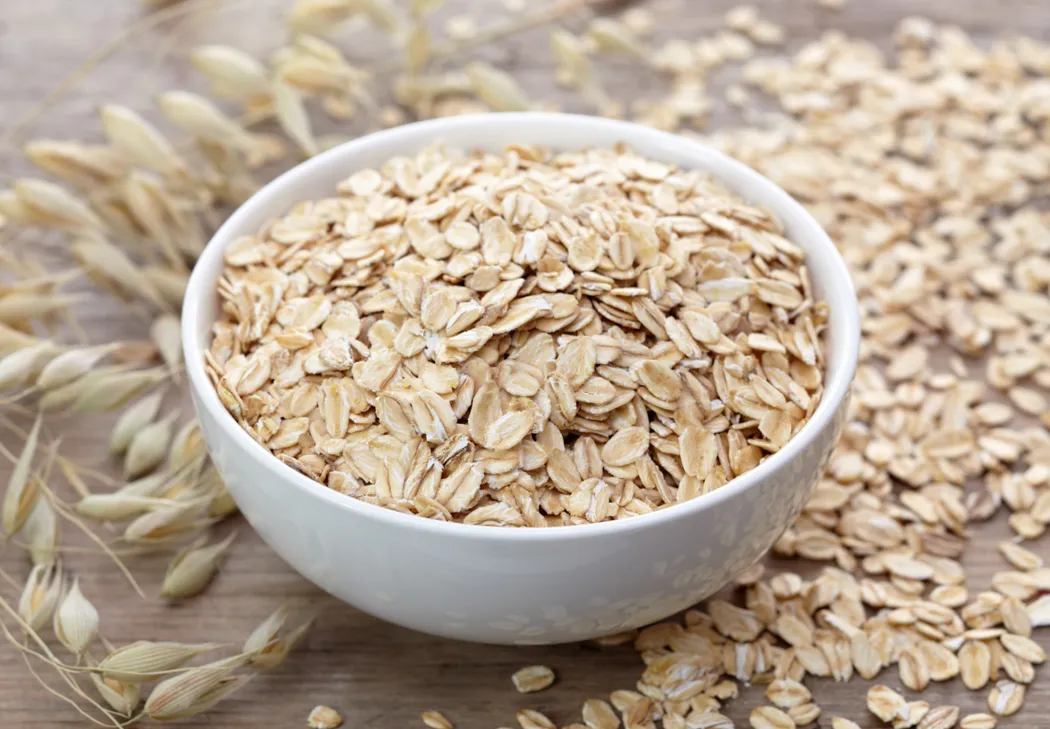
How to Prepare Oats for Babies (Texture by Age)?
Knowing how to introduce oats to your baby safely means matching the texture to what their mouth and swallowing skills can handle at each stage. Always start with single-grain oat cereal or plain rolled oats with no added salt, sugar, or flavourings.
6 to 8 Months: Smooth Puree
For oatmeal for infant feeding at this stage, cook rolled oats or use a plain infant oat cereal, then blend or mash thoroughly. The consistency should be thin and almost pourable, a little thicker than formula but completely lump-free.
A simple baby oats recipe to try: cook one tablespoon of rolled oats in four tablespoons of water or expressed breast milk until very soft, then blend until smooth. Let it cool to room temperature and test a small drop on your inner wrist before offering it.
8 to 10 Months: Mashed Texture
As your baby gains more practice swallowing, you can make the porridge thicker and slightly lumpier. Begin mixing in mashed banana, cooked apple, or pureed vegetables to build variety and flavour. Keep portions small: a few teaspoons to start, building up gradually based on your baby's appetite cues.
10 to 12 Months and Beyond: Soft Finger Foods
By this stage, many babies are developing a pincer grasp and can manage more texture. Soft baked oat-based snacks or overnight oats soaked until very tender can work well as finger foods. Avoid anything that poses a choking risk, such as hard granola or dry oats straight from the packet.
A practical tip across all ages: introduce oats for infant meals on their own for two to three days before combining them with other new ingredients. This makes it much easier to identify the cause if your baby has a reaction.