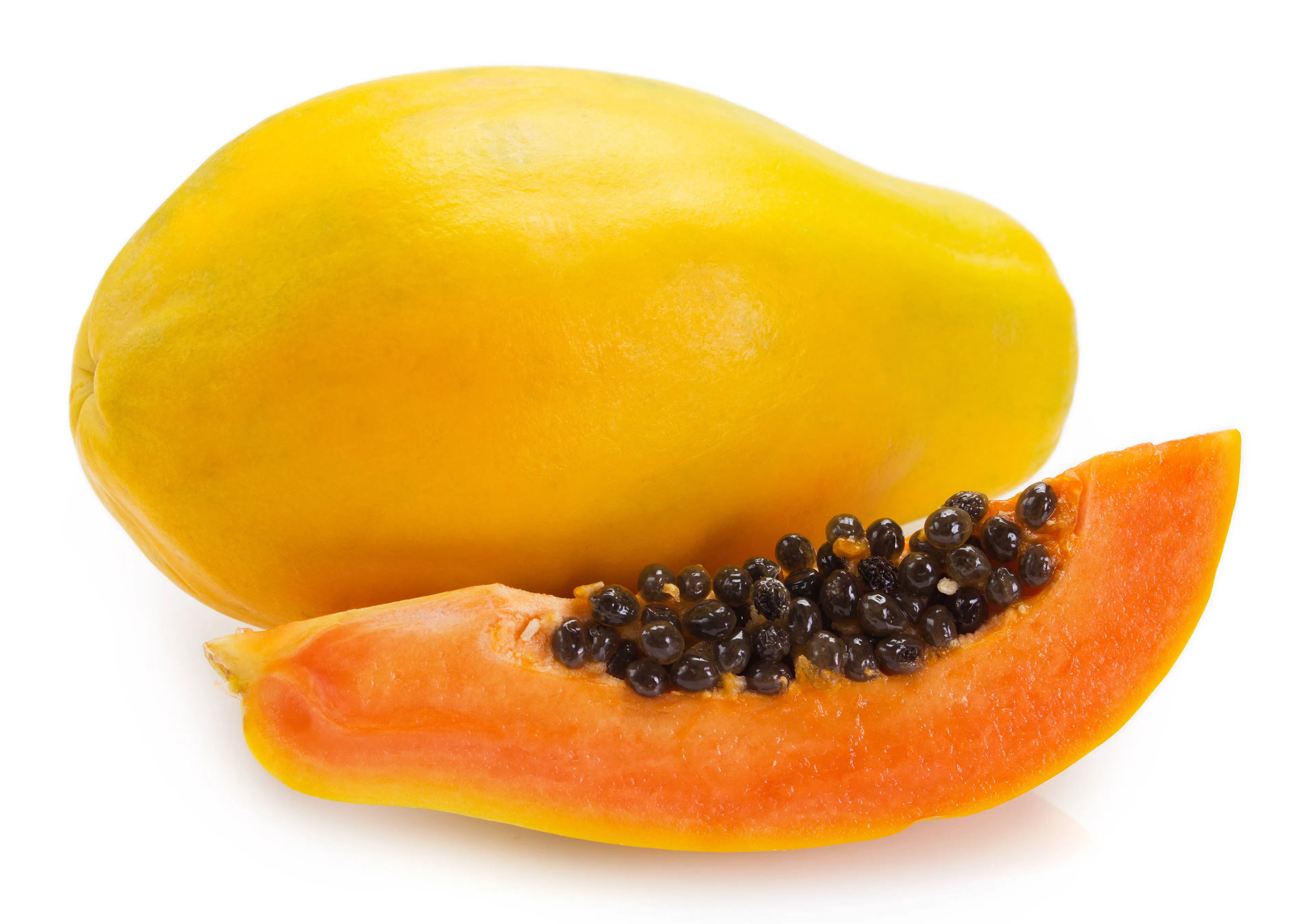
Wondering how to make papaya puree baby food? Learn the health benefits, age-by-age guidelines, and simple recipes to safely feed papaya to your baby.
Dr. Ezhilrasan
Introducing solid baby food to your little one is one of the most exciting milestones of early parenthood. As you navigate the colourful world of fruits and vegetables, you might find yourself looking at the vibrant, sweet, and nutrient-dense papaya. This tropical fruit is a source of essential vitamins and enzymes. If you are eager to introduce it to your infant, a nutritious papaya puree baby blend is one of the ways to start. But when is the right time to introduce this fruit? How do you prepare it safely? In this comprehensive guide, we will explore why papaya is good for babies, how to safely prepare papaya baby food, and share delicious recipes your little one will love.
Is Papaya Good for Babies? The Nutritional Benefits
Before whipping up a fresh batch of papaya puree for baby, it is natural to ask: is papaya good for babies? The short answer is yes. Papaya provides essential nutrients that can support your growing baby's overall health and development. Here is a breakdown of why papaya can be a nutritious choice for babies:
Rich in Vitamin C: Papaya is an excellent source of vitamin C, which supports collagen production, aids in iron absorption, and supports normal immune function.
Abundant in Vitamin A: This fruit contains beta-carotene, which the body converts into vitamin A. Vitamin A is important for healthy vision, skin, and normal growth and development.
Enzymatic Support: Papaya contains a proteolytic enzyme called papain, which helps break down proteins. However, papaya should not be considered a treatment for digestive problems.
Hydration and Fibre: Its high water content and dietary fibre can contribute to hydration and normal bowel function as part of a varied diet.
Is Papaya Good for Constipation in Babies?
Yes, papaya can be included as part of a varied diet when a baby has mild constipation. Its water and dietary fibre content may help support normal bowel movements. If your baby has persistent constipation, painful bowel movements, blood in the stool, or other concerning symptoms, consult your paediatrician.
Can I Give Papaya to My Baby During Illness?
Parents often wonder: Is papaya good for babies during a cold and cough? Or can I give papaya to my baby during a cold?
Because papaya contains vitamin C and water, it can contribute to a varied diet while your baby is unwell. However, papaya does not treat a cold or cough.
Similarly, if you are asking, " Can I give papaya to my baby during fever, the answer is that papaya can be offered if your baby is developmentally ready for solids and has already tried papaya before. However, food does not treat fever. Make sure your baby remains adequately hydrated and consult your paediatrician if your baby has a high fever or refuses to eat.
When Can Babies Eat Papaya? An Age-by-Age Guide
Knowing when and how to introduce new foods is key to a smooth weaning journey. Let's look at how to safely offer papaya at different stages of your baby’s first year.
Age of Baby
Recommended Texture
Key Considerations
5 Months
Not recommended (usually)
Consult paediatrician if starting
6–7 Months
Smooth, runny purée
Single-ingredient, fully strained
8–10 Months
Mashed or soft cubes
Introduce small finger foods
11+ Months
Soft bite-sized chunks
Encourage self-feeding
Under 6 Months: Papaya Puree for 5 Month Baby?
The World Health Organization (WHO) recommends exclusive breastfeeding or formula feeding for the first six months of life. While some parents look for a papaya puree for 5 month baby, it is generally best to wait. If your paediatrician gives the green light to start solids early, ensure the purée is completely smooth and free of any lumps.
At 6 Months: Starting Solids
Can 6 month baby eat papaya? Yes, papaya can be introduced when your baby is developmentally ready for complementary foods. At this stage, your baby can be offered a thin, completely smooth papaya puree for 6 month baby or papaya puree for 6 months baby.
If you are asking: can I give papaya to my 6 month baby, or can 6 months baby eat papaya, the answer is yes, but it must be served as a thin, completely smooth papaya puree for 6 month baby or papaya puree for 6 months baby. Introducing a 6 month baby papaya puree allows them to experience new flavours. Remember, a 6 month baby can eat papaya when the fruit is fully ripe, peeled, deseeded, and thoroughly blended. Always monitor your baby for any signs of an allergic reaction.
At 7 Months: Building Texture
By seven months, your child is becoming more comfortable with swallowing. A 7 month baby can eat papaya in a slightly thicker format. If you want to know: can I give papaya to my 7 month baby, yes. You can transition from a very thin blend to a slightly thicker papaya puree for 7 month baby as your baby's feeding skills develop.
At 8 Months: Introducing Mashes and Finger Foods
At eight months, your baby is developing their pincer grasp.
You might wonder: can I give papaya to my 8 month baby or can 8 month baby eat papaya? Yes, an 8 month baby can eat papaya mashed with a fork instead of blended. You can serve a papaya puree for 8 month baby or introduce ripe papaya cubes for baby food, provided the pieces are soft and appropriately prepared.
Parents often ask online: can we feed papaya puree to 8 month baby? Yes, you can feed papaya to an 8-month-old who is developmentally ready for the texture. This is also a suitable age to introduce ripe papaya cubes baby food so they can practise feeding themselves.
At 11 Months and Beyond
If you are asking: can I give papaya to my 11 month baby, yes. By this stage, your baby can eat small, soft pieces of ripe papaya as a finger food, helping them refine their self-feeding skills.
Best Practices: Timing and Preparation
What is the Best Time to Eat Papaya for Baby?
When planning your baby's meals, the best time to eat papaya for baby does not need to be restricted to a particular time of day. If papaya is a new food, offering it earlier in the day can make it easier to observe your baby for any possible reaction or digestive discomfort.
But can baby eat papaya at night? Yes, a baby who already tolerates papaya can eat it at night. If papaya is being introduced for the first time, daytime feeding may be more convenient for observation.
Selecting the Perfect Papaya
To make safe ripe papaya baby food or a comforting soft papaya baby food, selection is key:
Colour: Look for a papaya that is mostly yellow or orange-red. Avoid fruit that is still hard and predominantly green.
Texture: Give it a gentle squeeze. It should yield slightly to pressure, similar to a ripe avocado.
Scent: A sweet, slightly fragrant aroma near the stem can indicate a ripe papaya.
Easy and Nutritious Papaya Recipes for Babies
Preparing healthy papaya recipes for baby meals at home is incredibly easy. Here are four simple, nutrient-packed recipes tailored for different developmental stages.
This classic ripe papaya puree baby recipe is suitable for infants starting their solid food journey. It is smooth, sweet, and easy to prepare.
Ingredients:
1/2 cup ripe papaya (peeled, deseeded, and chopped)
1–2 tablespoons of breast milk, formula, or water (optional, to thin the mixture)
Instructions:
Scoop out the black seeds completely from the ripe papaya.
Peel the skin off and cut the flesh into small chunks.
Place the chunks into a blender or food processor.
Blend until you achieve a papaya puree baby smooth consistency.
If the mixture is too thick, add a splash of breast milk or formula to create a runnier ripe papaya baby puree that your baby can easily swallow.
Serve immediately or store in the refrigerator for up to 24 hours.
Recipe 2: Gentle Papaya Mash (8+ Months)
As your baby transitions away from smooth purées, a chunky papaya mash baby food is a useful way to introduce texture.
Ingredients:
1/2 cup ripe papaya chunks
A pinch of ground cardamom or cinnamon (optional, for babies 8+ months)
Instructions:
Ensure you are using very soft, fully ripe papaya chunks.
Place the chunks in a small bowl.
Use a sturdy fork to create a rustic papaya mashed baby food or mashed papaya baby food texture.
Stir in a tiny pinch of cardamom if desired to gently expand your baby's palate. This soft texture makes for an easy-to-swallow soft papaya baby food experience.
Recipe 3: Creamy Papaya Banana Puree (7+ Months)
If you are wondering what to mix with papaya baby food, bananas are a convenient choice. They add natural sweetness and a creamy texture that complements the flavour of papaya.
Ingredients:
1/4 cup ripe papaya chunks
1/4 cup ripe banana chunks
Instructions:
Place both the papaya and banana chunks into a blender.
Blend until smooth to create a papaya banana puree baby blend.
This naturally sweet combination provides a soft texture that can be suitable for babies who are developmentally ready for it.
Recipe 4: Apple Papaya Puree (7+ Months)
Apples provide a complementary texture for purées. Combining them with papaya creates a naturally sweet, nutrient-rich meal.
Ingredients:
1/2 apple (peeled, cored, and chopped)
1/2 cup ripe papaya chunks
Instructions:
Steam the apple chunks for about 5 to 7 minutes until they are fork-tender.
Allow the apple to cool slightly.
Combine the steamed apple and fresh ripe papaya in a food processor.
Blend until smooth to create a nutrient-dense apple papaya puree for baby.
Safety and Allergy Considerations
While a baby eating papaya puree is generally safe when the fruit is appropriately prepared, there are a few important safety measures to keep in mind:
Beware of Latex Allergies: Papaya contains natural latex-related proteins, and some people with latex allergy may also react to certain fruits. However, a latex allergy or allergy to foods such as banana, kiwi, or avocado does not automatically mean that a baby will be allergic to papaya. If your baby has an existing food allergy or you have concerns about cross-reactivity, speak with your paediatrician.
Introducing New Foods: There is no universal requirement to follow a strict three-day rule for every new food. However, introducing one new food at a time can make it easier to identify a possible reaction.
Always Cook Hard Fruits, but Not Ripe Papaya: Unlike harder fruits such as apples or pears, fully ripe papaya does not need to be steamed before blending. It should be soft, ripe, peeled, and prepared into a texture appropriate for your baby's developmental stage.
Deseed Thoroughly: Papaya seeds are bitter and should not be given to babies. Ensure all black seeds are removed before mashing or blending.
FAQS
Is papaya good for babies?
Yes, papaya can be a nutritious complementary food for babies who are developmentally ready for solids. It provides vitamin C, beta-carotene, fibre, water, and other nutrients. It should be offered as part of a varied diet rather than relied upon as a complete food.
Can I give papaya to my 6-month-old baby?
Yes, you can introduce smooth papaya puree baby food to your 6-month-old once they show the appropriate readiness signs for complementary foods. Ensure it is fully ripe, deseeded, and prepared to a smooth, age-appropriate consistency.
Is papaya good for baby constipation?
Papaya contains water and dietary fibre, which may help support softer stools. It can be included as part of an age-appropriate diet when a baby has mild constipation. If constipation persists or your baby has painful or bloody bowel movements, consult your paediatrician.
Can I feed my baby papaya during a cold or fever?
Papaya can be offered to a baby who is already eating solids and tolerates the fruit. Its soft texture and water content can make it easy to eat. However, papaya does not treat a cold or fever. If your baby has a high fever, refuses feeds, or appears unusually unwell, consult your paediatrician.
What is the best time of day to feed my baby papaya?
There is no medically required time of day to feed a baby papaya. If it is a new food, offering it in the morning or earlier in the day may make it easier to observe your baby for any possible reaction or digestive discomfort.