logo
0

Pica in Babies: Eating Soil, Sand and Non-Food Items

Learn why babies eat soil, sand, paper, plastic, or other non-food items, when it may indicate pica, potential risks, and when to seek pediatric care.

article image

Dr.J.T.Hema Prathima

As a parent, watching your baby grow and explore the world is a joyful journey. During their first couple of years, babies learn about their surroundings by touching, grasping, and, most frequently, putting everything into their mouths. This developmental stage, known as "mouthing," is entirely normal. However, it can become incredibly stressful when your little one starts swallowing things that are definitely not food.

If you have ever caught your little one munching on dirt in the garden, you have likely frantically searched online to find out why baby eat soil. While it is often just a passing phase of curious exploration, persistent craving and consumption of non-food items can sometimes point to a condition known as pica.

Understanding why babies and toddlers gravitate toward non-food items—ranging from harmless paper to highly toxic household chemicals—can help you keep your child safe. This guide explores the causes behind these behaviors, how to identify pica, and when it is time to call your pediatrician.

Understanding Pica: Why Baby Eat Soil and Other Non-Food Items

Pica (pronounced pie-kuh) is a medical term used to describe the compulsive eating of non-food items that carry no nutritional value. To be clinically diagnosed as pica, the behavior must persist for at least one month, and the child must be at an age where mouthing objects is no longer considered developmentally appropriate (typically over 24 months of age).

If you are observing this behavior and asking yourself why baby eat soil, it is important to understand the potential underlying triggers:

  • Normal Sensory Exploration: For infants and young toddlers, putting items in their mouths is a sensory tool. They want to know how different textures, temperatures, and shapes feel.
  • Nutritional Deficiencies: Often, a child's body craves unusual substances because it is lacking vital minerals. Iron deficiency anemia and zinc deficiency are the most common nutritional links to pica.
  • Teething Relief: The pressure of new teeth cutting through gums can prompt babies to chew on hard, textured, or cold non-food items to soothe their discomfort.
  • Developmental Conditions: Children with developmental differences, such as Autism Spectrum Disorder (ASD) or intellectual disabilities, may struggle with self-regulation and use non-food eating as a comforting sensory mechanism.

Common Non-Food Items Babies Eat and Why

Different objects carry different levels of risk. Let’s break down the most common non-food items that attract babies and toddlers, exploring the reasons behind these behaviors.

1. Soil, Mud, and Sand

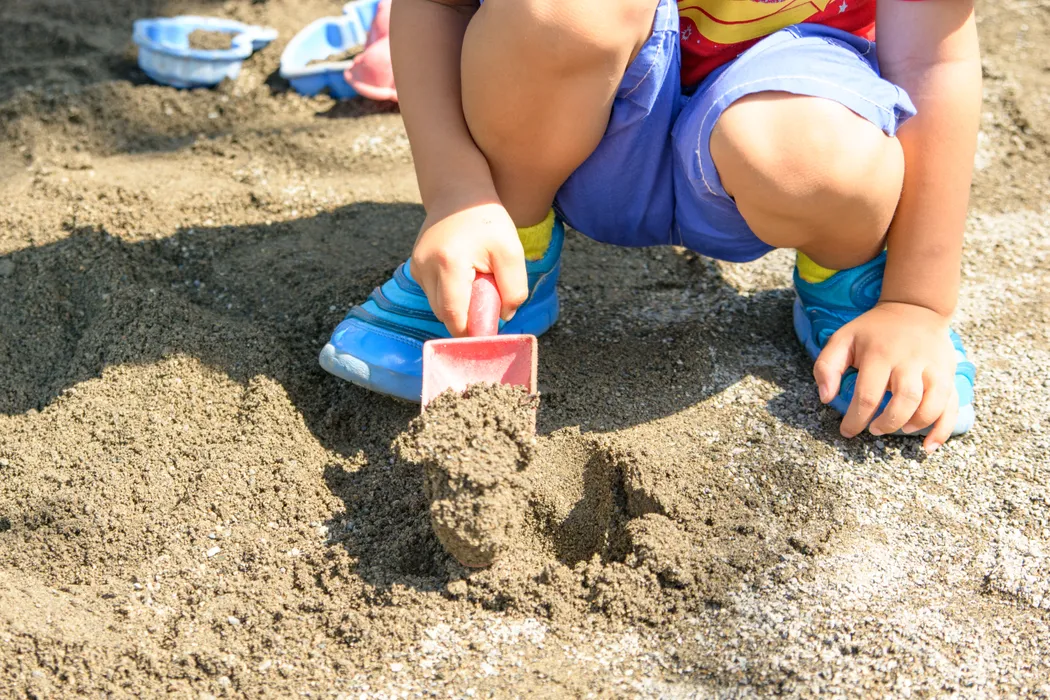
It is incredibly common to see a toddler sitting in a sandbox or garden bed happily stuffing a handful of dirt into their mouth.

  • Why babies eat soil / Why babies eat mud: In many cases, it is simple curiosity. However, if your child does this repeatedly, it is highly likely a sign of iron deficiency. The human body naturally seeks minerals, and historically, soil has been a source of trace elements, which explains why babies eat soil when their iron levels drop.
  • Why do toddlers eat mud: Toddlers might also eat mud because they enjoy the wet, squishy texture, or because they are copying sensory play.
  • Why babies eat sand: Much like soil, sand has a grainy, unique texture. If you find your child repeatedly investigating why babies eat sand by consuming it at the beach, keep a close watch, as sand can contain animal feces, parasites, and harmful bacteria.

2. Paper and Wall Paint

Household items are easily accessible to a crawling baby or an active toddler, making them common targets for pica.

  • Why babies eat paper: Paper is soft, easily dissolvable in saliva, and readily available. This sensory seeking explains why babies eat paper like tissues, books, or cardboard. Fortunately, small amounts of plain paper usually pass through the digestive system without major issues, though large amounts can cause blockages.
  • Why do babies eat wall paint: Answering why do babies eat wall paint involves looking at both teething comfort and, unfortunately, developmental risks. In older homes, peeling paint chips may contain lead, which has a sweet taste that appeals to young children. Consuming lead paint is highly toxic and can lead to severe developmental delays and brain damage.

Household Hazards: Plastic and Insecticides

Some non-food items present immediate physical or chemical dangers to your child.

Plastic Consumption

Plastic is everywhere, from toys to packaging materials. If you notice your baby eat plastic wrappers, bottle caps, or toy parts, act immediately.

When parents ask what happens if baby eat small pieces of plastic, the answer depends heavily on the size and shape of the plastic. Small, smooth pieces of plastic might pass through your baby's stool in a few days. However, sharp edges can tear the delicate lining of the stomach or intestines, and larger pieces can cause a life-threatening bowel obstruction or a severe choking hazard.

Insecticide Chalk (Laxman Rekha)

In some regions, insecticide chalks, such as "Laxman Rekha," are used to control pests like ants and cockroaches. Because these look exactly like school chalk, they pose a massive risk to young children.

If a baby eat laxman rekha, it is a medical emergency. To understand what happens if baby eat laxman rekha, you must know that these products contain highly toxic chemicals, such as cypermethrin or other synthetic pyrethroids. These chemicals target the nervous system. Ingestion can cause symptoms ranging from skin irritation and nausea to severe neurological issues, seizures, and respiratory distress. If you suspect your child has ingested this chalk, seek immediate emergency medical care.

The Taboo Topic: Poop and Potty Accidents

It is the scenario every parent dreads: walking into a room only to find their child has played with or ingested waste.

If you discover your baby eat poop, try to stay calm. While highly distressing, this is a common occurrence during potty training or diaper-changing mishaps. Parents often panic and ask what happen if baby eat poop or wonder what to do if baby eat potty contents.

What to Expect Immediate Action Steps 
Mild Symptoms: Stomach ache, mild nausea, or temporary loss of appetite. 1. Clean Up: Gently wipe the child's mouth with a wet, clean cloth.
Bacterial Risks: Potential exposure to E. coli, Salmonella, Campylobacter, or parasites2. Hydrate: Give the child a few sips of water to rinse their mouth and throat.
Severe Symptoms: Persistent vomiting, high fever, or watery or bloody diarrhea.3. Monitor: Watch for signs of infection over the next 24–48 hours.

If your child exhibits any severe symptoms, contact your pediatrician immediately.

Risks and Complications of Pica in Infants

While some instances of mouthing are harmless, persistent pica behaviors carry serious health risks:

  • Choking: Small items like buttons, coins, or plastic pieces can easily block your baby’s airway.
  • Poisoning: Ingesting lead paint, chemicals, or insecticides like Laxman Rekha can result in life-threatening toxicity.
  • Gastrointestinal Blockage: Non-digestible items like plastic, hair, or large amounts of paper can build up in the intestines, requiring emergency surgery.
  • Parasitic and Bacterial Infections: Soil, sand, and feces are breeding grounds for harmful bacteria and parasites (such as roundworms), which can cause severe gastrointestinal illness.
  • Dental Damage: Chewing on hard objects like stones or plastic can chip or crack your baby’s developing teeth.

How to Prevent and Manage Pica Behaviors

Addressing the root cause of why baby eat soil or other non-food items involves a mix of environmental management, behavioral redirection, and medical support.

  • Schedule a Pediatric Visit: If your child is over two years old and persistently eats non-food items, consult your doctor. They can run blood tests to check for iron or zinc deficiencies and recommend appropriate dietary changes or supplements.
  • Meticulous Baby-Proofing: Keep dangerous items entirely out of reach. Store cleaning supplies, insecticides, medicines, and small plastic items in locked cabinets.
  • Supervise Outdoor Play: Keep a close eye on your child when they are near dirt, sand, or plants. If they try to eat soil, gently redirect their attention to a safe toy or snack.
  • Offer Safe Teething Alternatives: If your baby is chewing on items due to teething pain, provide cold teething rings, damp frozen washcloths, or safe teething biscuits.
  • Provide Sensory Activities: If your child is seeking oral sensory input, provide safe textures to chew on, such as food-grade silicone sensory jewelry designed for children.

Conclusion

Pica and mouthing behaviors can have different causes depending on a child’s age and developmental stage. While putting objects in the mouth is normal during infancy and early toddlerhood, persistent eating of non-food items after age two may require medical evaluation. Parents should focus on close supervision, baby-proofing, safe alternatives, and identifying possible nutritional deficiencies. Dangerous substances such as insecticide chalk, lead-containing paint, or sharp plastic require immediate medical attention.

FAQs

Why baby eat soil or sand so often?

Babies and toddlers frequently eat soil or sand out of natural curiosity or because they are teething. However, repetitive and intentional consumption of dirt is a classic sign of an iron or zinc deficiency. The body naturally craves earth-based minerals when its nutrient levels are low.

What happens if baby eat small pieces of plastic?

If your baby eats a small, smooth piece of plastic, it will often pass through their digestive tract without issue within 24 to 72 hours. However, plastic poses a major choking risk and can cause internal blockages or tears if it has sharp edges. Monitor your child closely and seek medical help if they experience vomiting, abdominal pain, or difficulty swallowing.

Is it a medical emergency if a baby eat laxman rekha?

Yes. Insecticide chalks like Laxman Rekha contain toxic chemicals (pyrethroids) meant to kill pests. If ingested by a baby, it can cause chemical poisoning, neurological damage, and breathing difficulties. Contact emergency services or poison control immediately.

What should I do if baby eat potty or feces?

Remain calm. Wipe your child's mouth out with a damp cloth, wash their hands and face thoroughly, and give them some water. While minor ingestion usually causes no serious harm, monitor them for symptoms of bacterial infection, such as vomiting, diarrhea, or fever.

When does a baby outgrow the phase of putting everything in their mouth?

Most children naturally stop mouthing non-food objects by the time they reach 18 to 24 months of age. If this behavior continues beyond age two, or if they actively swallow dangerous items, you should consult your pediatrician for a medical evaluation.

Apollo 247 Floating Action Button