logo
0

Porridge Meaning: A Simple Guide with Homemade Baby Recipes

Learn what porridge means, its nutritional benefits, suitable ingredients for babies, preparation tips, and simple homemade porridge recipes for infants.

article image

Dr. Mayank

Starting your baby on solid foods is one of the most exciting milestones in early parenthood, and understanding the porridge meaning can help you make confident, nourishing choices. Porridge is among the most recommended first foods for infants worldwide because it is gentle, easy to digest, and simple to prepare at home. If you are planning complementary feeding for your 6-month-old, this guide covers everything you need to know.

What Does Porridge Mean?

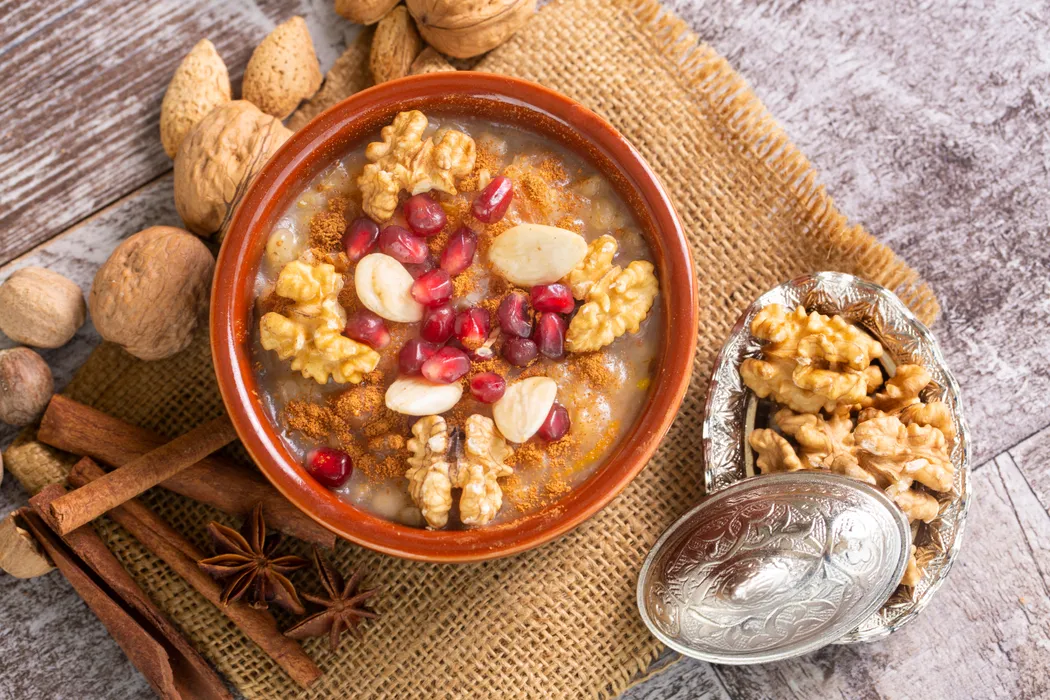
Porridge is a soft, thick food made by cooking a grain or cereal in water, milk, or broth until it reaches a smooth, spoonable consistency. The grain absorbs the liquid and swells, creating a texture that is easy to swallow even for very young babies with no teeth.

What is porridge made of? Almost any grain can form the base:

  • Rice, the most widely used grain for infant porridge across India and Southeast Asia
  • Ragi (finger millet), a calcium-rich grain popular in South India
  • Oats, which cook quickly and are widely available
  • Wheat, barley, or broken wheat (dalia), common in North Indian households
  • Multigrain blends formulated specifically for infants

Globally, the liquid used varies. Western recipes often use cow's milk, while Indian recipes traditionally use water or thin dal water for younger babies. The core idea is the same everywhere: a soft, cooked grain that can be thinned or thickened to match your baby's stage.

Is Porridge Good for Babies During Complementary Feeding?

Guidelines generally recommend introducing complementary foods at around 6 months, alongside continued breastfeeding. At this point, breast milk or formula alone can no longer fully meet a growing baby's energy and nutrient needs. Porridge fits this window well because it:

  • Provides carbohydrates for sustained energy
  • Can be enriched with iron through pureed lentils or green leafy vegetables
  • Delivers calcium and phosphorus when made with milk or ragi
  • Is easy to adjust in texture as the baby grows

For baby porridge at 6 months, the consistency should be thin and smooth, close to a runny paste. By 8 to 9 months, you can make it slightly thicker. By 10 to 12 months, small soft lumps are fine as the baby begins to learn chewing.

Ragi porridge for infants deserves a special mention. Ragi is one of the richest plant sources of calcium and also contains iron, making it a strong choice around 6 months when iron stores from birth begin to deplete. It has been a traditional weaning food in Karnataka, Tamil Nadu, and Andhra Pradesh for generations.

Things to Check Before Introducing Porridge

Who Should Be Cautious

Porridge is broadly safe, but a few situations call for extra care.

Babies under 6 months should not receive any solid food, including porridge, unless a paediatrician specifically advises otherwise. The digestive system simply is not ready before this age. Infants with a known or suspected allergy to a specific grain should avoid porridge made from that grain. Introduce one new grain at a time and wait three days before trying another. Babies with severe reflux or swallowing difficulties may need a texture assessment by a specialist before starting solids.

What Not to Add to Baby Porridge

This is where many parents unknowingly make errors:

  • Salt: Avoid adding salt to foods before 12 months, as infants have developing kidneys and do not need added sodium.
  • Sugar and Sweeteners: Avoid added sugar, jaggery, and other sweeteners before 12 months. These can encourage a preference for sweet tastes and contribute to dental problems.
  • Honey: Do not give honey to babies under 12 months because it can contain spores that cause infant botulism, a serious illness.
  • Nuts: Avoid whole or chopped nuts because they can present a choking hazard. Use age-appropriate forms such as smooth nut butter when appropriate.
  • Cow's Milk: Avoid using cow's milk as the main drink before 12 months. Small amounts used as an ingredient in foods such as porridge may be acceptable, depending on your paediatrician's advice.

Texture matters as much as ingredients. Porridge that is too lumpy too early can cause gagging or refusal, so always match the consistency to your baby's stage.

Easy Homemade Porridge Recipes for Babies

These three homemade porridge recipes for babies are suitable for infants 6 months and older. Always cool porridge to a safe, comfortable temperature before feeding.

1. Ragi Porridge for Infants (6 months+)

Ingredients:

  • 1 tablespoon ragi (finger millet) flour
  • 100 ml water
  • 30 ml expressed breast milk or formula, added after cooking

Steps:

  • Mix ragi flour with 2 tablespoons of water to form a smooth paste. This prevents lumps.
  • Bring the remaining water to a boil in a small pan.
  • Add the ragi paste slowly, stirring continuously on low heat for 4 to 5 minutes until thick.
  • Remove from heat and cool. Stir in expressed breast milk or formula to adjust consistency. No salt or sugar.

2. Rice and Dal Porridge (6 to 7 months+)

This complementary feeding recipe adds protein and iron from lentils.

Ingredients:

  • 1 tablespoon rice
  • 1 teaspoon moong dal (split yellow lentils)
  • 150 ml water

Steps:

  • Wash rice and dal together. Soak for 20 minutes.
  • Pressure cook with water for 3 to 4 whistles until very soft.
  • Mash or blend to a smooth consistency.
  • Thin with a little warm water if needed. No salt.

3. Oats and Fruit Porridge (7 to 8 months+)

Ingredients:

  • 2 tablespoons rolled oats
  • 100 ml water or formula
  • 2 tablespoons mashed ripe banana or stewed apple

Steps:

  • Cook rolled oats in water or formula on medium heat for 3 to 4 minutes, stirring well.
  • Cool and stir in mashed fruit for natural sweetness.
  • Blend briefly if a smoother texture is needed.

Rotating grains across the week gives your baby variety in flavour and a broader nutrient profile. For more early parenting guidance, see our newborn care essentials guide.

When to Consult a Doctor?

Most babies take to porridge without any trouble, but contact your paediatrician if you notice:

  • Allergic Reaction: Skin rashes, hives, swelling, or vomiting after introducing a new grain may indicate an allergic reaction and should be discussed with a paediatrician.
  • Feeding or Weight Concerns: Persistent refusal to feed or significant weight loss requires medical assessment.
  • Digestive Problems: Ongoing constipation, diarrhoea, or blood in the stool after starting solids should be evaluated by a healthcare professional.
  • Gagging or Breathing Difficulty: Gagging can occur as babies learn to eat, but persistent or severe gagging, particularly with any breathing difficulty, requires prompt medical attention.

Report adverse events to your healthcare provider or the relevant regulatory authority.

Seeking early advice means any feeding issue can be caught and managed before it affects your baby's growth.

Conclusion

Porridge can be a simple, nutritious option for babies when introduced at the appropriate stage of complementary feeding, usually around 6 months. Grains such as rice, ragi, oats, and dalia can provide energy and important nutrients, while the consistency can be adjusted as your baby develops feeding skills. Homemade preparation also allows parents to control the ingredients and avoid added salt, sugar, jaggery, honey, and choking hazards. Start with smooth, appropriately thin textures and introduce new ingredients carefully. If your baby has allergies, reflux, swallowing difficulties, or other feeding concerns, consult a paediatrician before making changes to the diet.

FAQs

What is the meaning of porridge in simple words?

Porridge is a soft food made by cooking a grain such as rice, oats, or ragi in water or milk until it becomes thick and smooth. It is one of the oldest and most widely eaten foods across cultures worldwide.

At what age can babies start eating porridge?

Most babies can begin eating porridge at around 6 months of age, when complementary feeding typically starts. Always check with your paediatrician before introducing any solid food.

Can I add sugar or salt to baby porridge?

No. Salt and sugar should not be added to baby porridge before 12 months. Infant kidneys are not equipped to handle excess sodium, and early sugar exposure can encourage a preference for sweet foods and affect developing teeth.

Which grain porridge is best for babies first?

Rice porridge is the most common starting point because it is mild, easy to digest, and unlikely to cause allergies. Ragi is another excellent early option, especially for its calcium content, and is widely recommended in South India.

How long can homemade baby porridge be stored?

Freshly made porridge is best fed immediately. If you need to store it, keep it refrigerated in a clean, covered container for no longer than 24 hours. Always reheat thoroughly and check the temperature before feeding.

Apollo 247 Floating Action Button