logo
0

Puffed Rice and Poha for Babies: Safety, Benefits & Recipes

Wondering if puffed rice is good for babies? Discover safety guidelines, nutritional benefits of poha, and easy, age-specific recipes for your little one.

article image

Dr.Kamran

Introducing your baby to solid foods is an exciting milestone filled with discovery, joy and plenty of messy smiles. As parents, our top priority during this transition is offering foods that are nutritious, gentle on tiny tummies and safe to swallow. In many cultures, rice-based foods are a traditional choice for a baby's first meals because they are naturally hypoallergenic and easy to digest.

Among these options, puffed rice (often called murmura) and flattened rice (known as poha) are popular pantry staples. But as you plan your little one's transition to solid foods, you might find yourself asking: is puffed rice good for babies? In this comprehensive guide, we will explore the safety, nutritional profiles and preparation methods for both puffed rice and poha. You will also find simple, step-by-step recipes customised for every stage of your baby's first year.

Is Puffed Rice Good for Babies: Safety and Nutritional Value Explained

When exploring new foods, safety is always the first consideration. To answer the question, is puffed rice good for babies, we must look at how it is served.

Understanding Puffed Rice

Puffed rice is made by heating rice kernels under high pressure. This process causes the moisture inside the grain to expand, creating a light, airy and crispy texture. It is low in calories, fat-free and easy to digest, which makes puffed rice good for babies who need a lightweight, gluten-free option.

However, many parents ask: Can I give puffed rice to my baby as a finger food?

The Choking Hazard Warning

While puffed rice is good for babies who have developed their chewing and swallowing skills, dry puffed rice can be a choking hazard for younger infants. Because it is dry and lightweight, a whole kernel of puffed rice can easily be inhaled into a baby's airway or become sticky when mixed with saliva, making it difficult for a 6-month-old or 7-month-old baby to swallow safely.

To make puffed rice safer for your baby:

  • Avoid giving dry, whole puffed rice to babies under 10 to 12 months.
  • Grind puffed rice into a fine powder to make a quick porridge.
  • Soak puffed rice in warm milk, breast milk or formula to soften it completely before serving.

Introducing Poha (Flattened Rice) to Your Baby

If you are exploring gentle rice alternatives, you might also wonder: is poha good for babies?

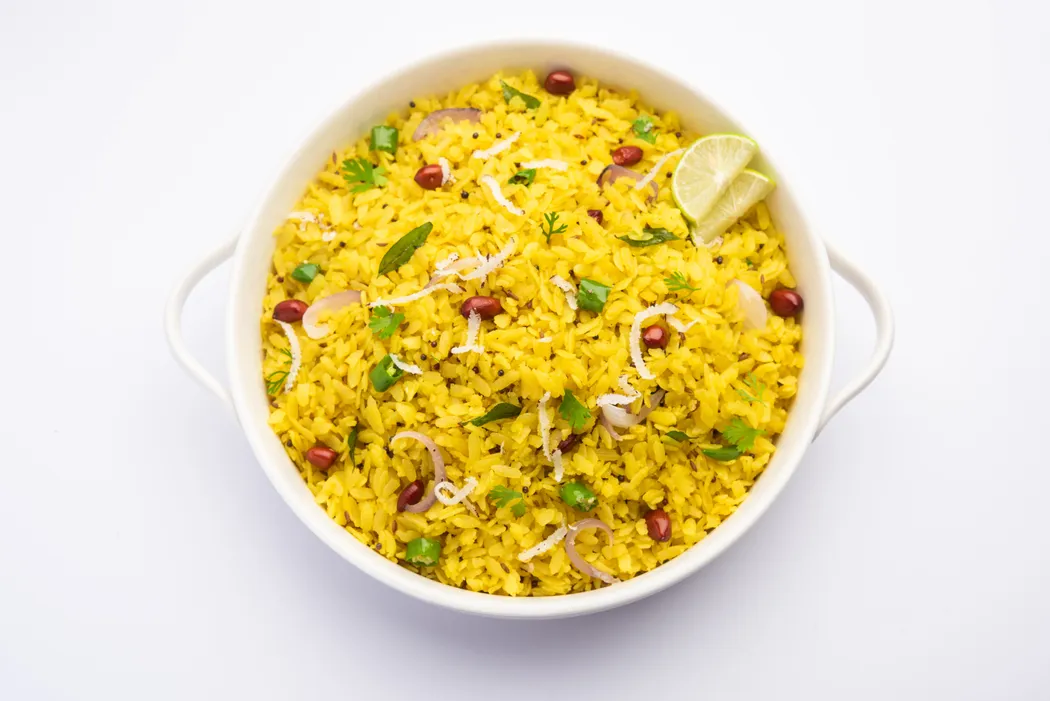
The short answer is yes! Poha is considered gentle on a baby's developing digestive system. Poha is made by parboiling rice paddy, flattening it under heavy rollers and then drying it. This processing method partially cooks the starch, making it highly digestible and quick to prepare.

Why Is Poha a Nutritional Powerhouse for Infants?

What makes poha good for babies is its nutritional profile:

  • Rich in Iron: Because poha is traditionally pressed using iron rollers, it retains a small amount of dietary iron. Iron is a crucial nutrient for babies after 6 months of age, as their natural iron stores begin to deplete.
  • Easily Digestible: The flattening process breaks down complex starches, which may make it easier to digest.
  • Energy Booster: Poha provides carbohydrates, which supply energy as your growing baby develops new physical skills.

When shopping, you might ask which poha is good for babies? Thin white poha is ideal for younger babies because it softens quickly and works well in smooth purées. Red or brown poha offers more fibre and may require a longer soaking time.

Age-by-Age Guide: Poha and Puffed Rice Milestones

Babies develop rapidly during their first year. The way you prepare food for a 7-month-old will look very different from how you prepare it for a toddler. Here is how you can introduce poha and puffed rice according to your baby's development.

7 Months Old: Smooth Purées and Soft Mashes

At seven months, your baby is still getting used to swallowing textures thicker than liquid milk. You may ask yourself, can I give poha to my 7-month-old baby? Yes, you can, provided it is prepared as a smooth, lump-free purée.

  • Poha Mashed Baby Food: A classic poha recipe for 7 month baby involves washing thin poha thoroughly, soaking it in warm water for 5 to 10 minutes until mushy, and then blending it with a little breast milk, formula, or warm water. This creates a highly digestible poha mashed baby food that is gentle on the stomach.

8 Months Old: Introducing Light Textures

As babies grow, they begin to develop their jaw muscles. If you are thinking, " Can I give poha to my 8-month-old baby?”, the answer is yes. At this age, you do not need to blend the food into a completely smooth paste. Instead, you can transition to soft, fork-mashed textures.

  • Wholesome Veggie Poha: A nourishing poha recipe for 8 month baby consists of soaked, soft-mashed poha mixed with a well-cooked vegetable purée, such as sweet potato, pumpkin or carrot. This introduces new flavours while keeping the texture safe and easy to swallow.

9 and 10 Months Old: Developing Chewing Skills

By 9 to 10 months, many babies are developing their pincer grasp, the ability to pick up small pieces of food between their thumb and index finger.

  • Apple and Banana Poha: An excellent poha recipe for 9 months baby involves cooking soaked poha with grated apple or mashed banana and a tiny pinch of cinnamon.
    .Savoury Vegetable Poha Mash: A savoury poha recipe for 10 month baby can include finely minced, thoroughly steamed vegetables such as green peas and potatoes, cooked with a drop of homemade ghee and a tiny pinch of turmeric.

1 Year and Beyond: Family Table Foods

At one year of age, your toddler can enjoy slightly more textured foods. A classic poha recipe for 1 year baby can include soft, fully cooked vegetable poha seasoned lightly with mustard seeds, curry leaves and a squeeze of fresh lemon juice.

Step-by-Step Recipes: How to Prepare Poha and Puffed Rice for Babies

When searching for the perfect poha recipe for baby, keeping things simple, hygienic and free from processed sugars or excessive salt is key. Here are three easy, nutrient-dense recipes you can prepare at home.

Recipe 1: Puffed Rice Porridge (6 Months+)

This recipe is a way to introduce puffed rice without serving dry, whole kernels.

Ingredients:

  • 1 cup of organic, unsalted puffed rice
  • Warm breast milk, formula or water

Instructions:

  1. Carefully check the puffed rice to ensure there are no hard, unpuffed grains or debris.
  2. In a clean pan, dry-roast the puffed rice over low heat for 2 to 3 minutes. Do not let it brown.
  3. Allow it to cool completely, then grind it in a clean blender into a very fine, smooth powder.
  4. Store this powder in an airtight container.
  5. To serve, mix 2 tablespoons of the powdered puffed rice with warm breast milk, formula or water to form a smooth, warm porridge.

Recipe 2: Sweet Banana Poha Mash (7–8 Months)

This sweet, creamy recipe is naturally sweetened by banana, making it a suitable option for infants.

Ingredients:

  • 3 tablespoons of thin organic poha
  • Warm water for soaking
  • Half a ripe banana
  • A pinch of cardamom powder (optional)

Instructions:

  1. Rinse the thin poha under running water 2 to 3 times to remove any dust.
  2. Soak the washed poha in a cup of warm water for 5 to 7 minutes until it becomes completely soft and mushy.
  3. Drain any excess water.
  4. In a clean bowl, mash the ripe banana thoroughly with a fork.
  5. Add the soft, soaked poha to the mashed banana. Use a fork or blender to mash them together into a smooth, easy-to-swallow consistency.
  6. Add a tiny pinch of cardamom powder for aroma, stir well and serve.

Recipe 3: Vegetable Savoury Poha (10 Months+)

This recipe is a way to introduce mild savoury flavours and vegetables to older babies.

Ingredients:

  • 4 tablespoons of medium poha
  • 1 tablespoon of finely grated carrot
  • 1 tablespoon of thoroughly mashed boiled potato
  • A drop of clarified butter (ghee)
  • A tiny pinch of turmeric

Instructions:

  1. Rinse the poha thoroughly and soak it in warm water for 7 to 10 minutes until fully softened.
  2. In a small pan, heat a drop of ghee. Add the grated carrot and sauté over low heat for 3 to 4 minutes until completely soft.
  3. Add the mashed potato, a tiny pinch of turmeric and the softened poha to the pan.
  4. Add 2 tablespoons of water, cover and cook over low heat for 2 minutes to allow the flavours to blend.
  5. Mash the mixture with a fork to ensure there are no large lumps before feeding your baby.

Choking Prevention and Food Safety Tips

When introducing any solid foods, always keep these paediatric safety guidelines in mind:

  1. Avoid Salt and Sugar: Babies' kidneys are still developing. Avoid adding sugar, honey or salt to their food. Use ripe fruits or mild spices, such as cinnamon, cardamom or turmeric, to add natural flavour.
  2. The Three-Day Rule: When introducing a new food such as poha or puffed rice for the first time, offer it for three consecutive days without introducing other new foods. This makes it easier to identify potential allergic reactions or digestive sensitivities.
  3. Active Supervision: Always sit with your baby while they are eating. Ensure they are sitting upright in a high chair, and never leave them unattended during meals.
  4. Texture Progression: Pay close attention to your baby's oral motor skills. If they gag frequently, return to a smoother texture and try chunkier mashes again after a few weeks.

Conclusion

Puffed rice and poha can be included in a baby’s complementary diet when introduced at the appropriate age and prepared in a safe, soft, and age-appropriate texture. Poha can provide carbohydrates and other nutrients, while puffed rice can be used in suitable preparations when softened and served carefully. Parents should avoid hard, dry, or large pieces that may increase choking risk and should adjust the consistency according to the baby’s developmental abilities. Offering these foods with vegetables, pulses, fruits, or other nutrient-rich ingredients can help create varied and balanced meals as babies explore new foods and textures.

FAQs

Is puffed rice good for babies who are teething?

Yes, but only if prepared safely. Dry puffed rice should not be given to teething babies, as they might choke on the dry kernels. However, puffed rice powder mixed with breast milk or fruit purée can be a suitable soft preparation.

Can I use store-bought flavoured puffed rice or poha mixes?

No. Commercial puffed rice snacks and instant poha mixes may contain high amounts of sodium, artificial preservatives and spices that are not suitable for a baby's developing digestive system and kidneys. Plain, unsalted versions are preferable.

How do I know if my baby is allergic to rice-based foods?

Although rice is generally considered a low-allergen food, allergies can still occur. Watch for signs of an allergic reaction within a few hours of feeding, such as skin rashes, hives, vomiting, diarrhoea or swelling of the face. If you notice any of these symptoms, stop feeding the food and contact your paediatrician.
Which poha is healthier for babies: white or red?

Both can be included. Thin white poha is easier to digest and mash, making it suitable for younger babies. Red poha contains more dietary fibre, iron and antioxidants and can be offered as your baby becomes accustomed to different textures.

Can I store leftover prepared poha or puffed rice porridge?

It is always best to serve freshly prepared food to your baby to reduce the risk of bacterial growth. If you must store leftovers, keep them in a sterilised airtight container in the refrigerator for no more than 24 hours, and reheat thoroughly before serving.

Apollo 247 Floating Action Button