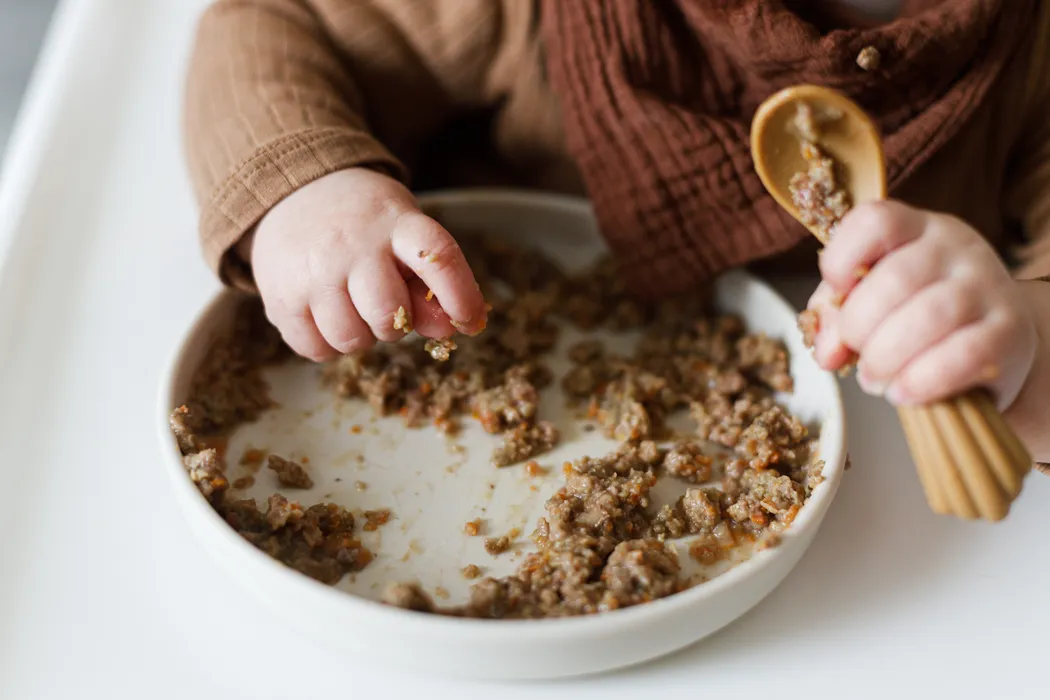
Ragi Porridge for Babies: A Nutritious First Food Guide
Learn about ragi porridge for babies, including when to introduce it, nutritional benefits, preparation methods, feeding tips, and important safety considerations.
Dr. Kamran
Ragi porridge has been a trusted weaning food in Indian homes for generations, and for good reason. Made from finger millet, this simple homemade baby porridge is gentle on tiny stomachs, easy to prepare, and packed with nutrients that matter most during the first year of life. If you are a new parent wondering where to start with solids, ragi porridge for babies is one of the most culturally familiar and nutritionally sound choices available.
What Is Ragi Porridge and Why It's a Popular First Food
Ragi, also called finger millet or Eleusine coracana, is a small, reddish-brown grain grown widely across South India. Ground into flour and cooked with water or milk, it becomes a smooth, easily digestible porridge that has fed Indian babies for centuries.
Its appeal as a first food comes down to a few practical reasons:
It is widely available across India in most grocery stores and online.
It has a mild, slightly earthy taste that babies generally accept without fuss.
It can be personalised with breast milk, formula, or fruit purees as the baby grows.
It is naturally gluten-free, which matters for families with a history of gluten sensitivity.
Traditional weaning diets in South and Central India have long relied on ragi as a primary nutrition source between six months and two years, and modern nutrition science supports this practice.
Right Age to Introduce Ragi Porridge to Babies
The general guidance from paediatric organisations is to start solid foods at around six months of age, when babies can sit with support, hold their head steady, and show interest in food. Before six months, a baby's digestive system is not ready for anything beyond breast milk or formula.
Ragi porridge fits well into this window, but always check with your paediatrician before introducing any new food. Every baby develops at a slightly different pace, and your doctor can assess readiness and flag individual concerns.
Never offer ragi or any solid food before the six-month mark. Starting too early is linked to a higher risk of choking, digestive discomfort, and potential food sensitivities.
Iron Content and Nutritional Benefits of Ragi
One of the strongest reasons to include ragi for babies' iron needs is its mineral profile. Per 100 g of ragi flour, the iron content is approximately 3 to 4 mg, which is meaningful for a plant-based ingredient. The calcium content is even more notable, around 340 to 360 mg per 100 g, making ragi one of the richest plant sources of calcium among common grains.
Why does iron matter so much at this stage? Babies are born with iron stores that begin to deplete around the four to six month mark. Breast milk alone does not supply enough iron after six months, so introducing iron-rich foods becomes important to prevent infant anaemia, a condition that can affect energy levels, growth, and brain development.
A summary of finger millet porridge benefits per 100 g of raw flour:
Nutrient
Approximate Amount
Iron
3 to 4 mg
Calcium
340 to 360 mg
Protein
7 to 8 g
Dietary fibre
3 to 4 g
Energy
320 to 340 kcal
These figures are approximate and can vary by variety and processing method. Ragi also provides B vitamins and amino acids that support overall growth during this critical period.
Homemade Ragi Porridge Recipe (Step-by-Step)
This basic ragi porridge recipe works well for babies from six months onwards. Keep it plain and thin when starting out, then adjust texture and flavour as your baby grows comfortable.
What you need:
1 tablespoon ragi flour (sprouted or plain)
100 to 120 ml water, expressed breast milk, or prepared formula
A pinch of jaggery powder (optional, after 8 months only
Steps:
Mix the ragi flour with 2 to 3 tablespoons of water in a small bowl to form a smooth, lump-free paste.
Pour the remaining water into a small saucepan and bring it to a gentle boil.
Add the ragi paste slowly, stirring continuously to prevent lumps.
Cook on low to medium heat for 5 to 7 minutes, stirring throughout, until the porridge thickens and loses its raw smell.
Remove from heat and allow it to cool to room temperature before serving.
Adjust consistency: for 6-month-olds, the porridge should flow off a spoon easily. For older babies, a thicker texture is fine.
If using breast milk or formula, stir it in after the porridge has cooled to preserve nutrients.
Do not add salt, sugar, or honey. For babies under 12 months, honey carries a risk of infant botulism. Jaggery should only be introduced after 8 months and in small amounts.
Tips for Improving Iron Absorption and Digestibility
Ragi's iron is non-haem iron, which the body absorbs less efficiently than iron from animal sources. A few simple techniques can meaningfully improve uptake.
Soaking and sprouting: Soak raw ragi overnight before drying and grinding into flour. Sprouting for 24 to 48 hours before drying reduces phytic acid, a compound that otherwise blocks mineral absorption. Sprouted ragi flour is also lighter and easier to digest, making it a better choice for younger babies.
Pair with vitamin C: Serving ragi porridge alongside mashed tomato, pureed amla, or a few drops of fresh orange juice significantly improves iron absorption. Vitamin C converts non-haem iron into a form the body absorbs more readily.
Portion sizes by age:
6 months: 2 to 3 teaspoons once a day, gradually increasing over days
8 to 9 months: 3 to 4 tablespoons once or twice a day
10 to 12 months: up to half a small bowl, two times a day
Start small: The goal in the early weeks is familiarisation, not nutrition replacement. Breast milk or formula remains the primary food source through the first year.
Contraindications and When to Avoid Ragi Porridge
Ragi is safe for most healthy babies introduced at the right age, but there are situations where caution or avoidance is warranted.
Do not introduce before six months:The digestive system is simply not ready.
Watch for allergic reactions: After offering ragi for the first time, wait two to three days before adding another new food. Signs that may suggest an adverse reaction include skin rashes, hives, vomiting, unusual fussiness, or difficulty breathing. If any of these appear, stop feeding ragi and contact your paediatrician immediately. Report adverse events to your healthcare provider or to CDSCO (Central Drugs Standard Control Organisation), India's national regulatory authority for food and drug safety.
Family history of kidney stones: Ragi contains oxalates, which can contribute to calcium-oxalate kidney stone formation. If there is a family history of kidney stones, discuss ragi consumption with your doctor before making it a daily food.
Existing digestive conditions: Babies with diagnosed gut conditions should be assessed individually by a specialist before starting any millet-based food. If your baby shows any unexpected symptoms after eating ragi, treat it as a medical concern and seek advice promptly.
Ragi porridge can be a nutritious complementary food for babies when introduced at the appropriate stage, providing nutrients such as carbohydrates, protein, fibre, calcium, and iron. Preparing it in a smooth, age-appropriate consistency and offering it as part of a varied diet can help support a baby's nutritional needs. Parents should introduce complementary foods according to developmental readiness and continue breast milk or appropriate infant formula as recommended. If there are concerns about allergies, digestion, feeding, or growth, consulting a paediatrician can provide personalised guidance.
FAQs
Can ragi porridge cause constipation in babies?
Ragi is high in dietary fibre, which generally supports healthy digestion rather than causing constipation. If a baby does become constipated after introducing ragi, it may be related to insufficient fluid intake or a too-rapid increase in portion size. Keeping portions age-appropriate and ensuring adequate breast milk or formula feeds usually resolves the issue.
How much ragi porridge should a 6-month-old eat?
Start with 2 to 3 teaspoons once a day and increase gradually over one to two weeks based on your baby's interest and tolerance. At this age, the goal is exposure to new tastes and textures, not replacing milk feeds.
Can ragi porridge be given daily?
Yes, ragi porridge can be a regular part of a baby's diet once introduced successfully, but variety matters. Rotate with other nutrient-rich foods such as dal, vegetable purees, and other millets to ensure a broad range of nutrients.
Is ragi porridge better than rice cereal for babies?
Ragi has a higher iron and calcium content than polished white rice, making it more nutritionally dense as a first food. Both can have a place in a varied diet, but many paediatricians and nutritionists favour millets like ragi for their superior mineral profile.
Can ragi porridge cause allergies?
Ragi is not among the common allergens, but any food can trigger a reaction in a sensitive baby. Always introduce ragi as a single ingredient first, observe your baby for 48 to 72 hours, and consult your doctor if you notice any concerning symptoms.