logo
0

Rice Porridge for Baby: Healthy Homemade Recipes

Learn how to make rice porridge for babies with easy homemade recipes, nutritious variations, texture guidance, safety tips and age-wise feeding recommendations.

article image

Dr. Kamran

Introducing your little one to the world of solid foods is a beautiful, exciting and sometimes overwhelming milestone. As a parent, you want to make sure your child’s very first bites are gentle on their developing digestive system, packed with energy and easy to swallow.
When your little one reaches about six months of age, paediatric experts like the World Health Organization (WHO) and the American Academy of Pediatrics (AAP) recommend introducing complementary solid foods. If you are looking for the perfect starting point, rice porridge for baby feeding is a time-tested, gentle and globally loved option.
In this comprehensive guide, we will explore why rice porridge is such a popular choice, how to make various nutritious styles at home, safety tips for introducing solids, and how to adjust textures as your baby grows.
 

Is Rice Porridge Good for Babies?

As you begin your weaning journey, you might wonder: is rice porridge good for babies? The short answer is yes. A simple plain rice porridge for baby consumption is highly digestible, hypoallergenic and provides an excellent source of carbohydrates to fuel your baby’s rapid growth.
For generations, families have turned to baby first food rice porridge because of its mild flavour and smooth digestibility. In many cultures, particularly in Asian households, a traditional version known as rice kanji baby food is served as the very first meal after breast milk or formula.

Key Nutritional and Practical Benefits

  • Gentle on the Tummy: Rice is exceptionally easy for a developing gut to break down.
  • Low Allergenic Risk: Unlike wheat or dairy, rice is naturally gluten-free and rarely triggers allergic reactions, making it a safe choice for a baby's first food rice porridge baseline.
  • Energy Dense: Fast-growing babies require easily accessible carbohydrates to support their daily brain and body development.
  • Versatile Canvas: Plain rice has a neutral flavour, allowing you to easily introduce new tastes by mixing in vegetable purees, fruits or breast milk.

Why Choose Homemade Rice Porridge for Your Baby?

Walk down any baby food aisle, and you will see dozens of boxed baby cereals. However, opting for homemade baby rice porridge has distinct advantages:

  1. Zero Preservatives and Additives: Boxed cereals often contain added sugars, synthetic preservatives or emulsifiers. Making homemade rice porridge for baby meals ensures you control exactly what goes into your child’s body.
  2. Superior Flavour and Texture: Freshly prepared homemade baby rice porridge tastes significantly better than packaged options, helping your baby develop a healthy palate for fresh foods.
  3. Cost-Effective: Preparing rice porridge baby food homemade style costs a fraction of the price of store-bought infant cereals.
  4. Customisable Consistency: You can easily adjust the thickness, transitioning from a thin rice porridge baby first food to a soft mashed rice baby food as your child’s oral motor skills advance.
     

How to Make Rice Porridge for Baby: Step-by-Step

Preparing a healthy bowl of rice porridge for baby nutrition is simple and highly customisable. Below, we break down how to make homemade rice powder for quick meals, followed by a classic plain recipe and several delicious, nutrient-packed variations.

Step 1: Making Homemade Rice Powder

For young infants, especially those starting at six months, achieving a baby rice porridge smooth texture is vital to prevent choking. The easiest way to do this is by making homemade rice powder baby food.
Prep time: 10 mins
Cook time: 15 mins
Yield: 1 jar of rice powder

Ingredients

  • 1 cup organic white or brown rice (Sona Masuri, Basmati or Jasmine)

Instructions

  1. Wash Thoroughly: Wash the rice under running water 3 to 4 times to remove surface starches and impurities.
  2. Drain and Dry: Spread the washed rice evenly on a clean cotton cloth or paper towel. Let it air-dry completely in a clean space for 1 to 2 hours.
  3. Dry Roasting: Transfer the dry rice to a heavy-bottomed pan. Start dry roasting rice for baby food over low-medium heat. Stir constantly for 5 to 7 minutes until the grains puff slightly and turn a light golden colour. Dry roasting ensures the rice is easy to grind and extends its shelf life.
  4. Grind to Powder: Allow the roasted rice powder baby food to cool completely. Transfer it to a dry, clean blender or spice grinder. Blend until you get a fine, velvety rice powder for baby food.
  5. Storage: Sift the powder to remove any large grains. Store this homemade rice powder baby food mixture in an airtight glass container for up to a month.

Step 2: The Classic Plain Rice Porridge Recipe

Now that you have your rice powder ready, you can cook a comforting, warm bowl of plain rice porridge baby food in under ten minutes.
Prep time: 2 mins
Cook time: 8 mins
Age: 6 months+

Ingredients

  • 2 tablespoons of homemade roasted rice powder baby food
  • 1 cup of filtered water (or a mix of water and breast milk/formula)

Instructions

  1. Whisk to Avoid Lumps: In a small saucepan, combine the rice powder and cold water. Whisk thoroughly until there are no lumps.
  2. Cook on Low Heat: Place the saucepan on low-medium heat. Bring the mixture to a gentle boil while stirring continuously with a whisk or spoon to prevent the bottom from burning.
  3. Simmer: Once it boils, lower the heat to its absolute minimum. Cook for 5 to 6 minutes, stirring constantly, until the mixture thickens into a thin rice porridge baby first food consistency.
  4. Adjust Consistency:

    For a 6-month baby rice porridge texture, you want a baby rice porridge thin consistency that easily slides off a spoon. Add more warm water or breast milk if it gets too thick.

    If your child is slightly older, you can aim for a soft rice porridge baby food texture.

  5. Cool and Serve: Allow the plain rice porridge baby food to cool down to lukewarm temperature before feeding.

Nutritional Upgrades: Delicious Variations

Once your baby is comfortable with a basic plain rice mash baby food, you can start adding colourful, nutrient-dense ingredients to expand their palate.

1. Sweet and Soothing Apple Rice Porridge

Introducing a subtle sweetness using natural fruits is a wonderful way to keep your baby eating rice porridge with enthusiasm.
How to make it: Peel, core and chop half an apple. Steam the apple chunks until they are fork-tender, then puree them until completely smooth. Prepare your basic thin rice porridge for baby feeding as described above. Stir the fresh apple puree directly into the warm porridge. This creates a delicious apple rice porridge baby blend rich in dietary fibre and vitamin C.

2. Vitamin-Rich Pumpkin Rice Porridge

Pumpkin is rich in beta-carotene (Vitamin A), gentle on the stomach and naturally sweet.
How to make it: Steam a small cup of peeled, deseeded sweet pumpkin. Mash it into a soft rice puree baby texture. Stir this vibrant mash into your cooked rice porridge baby-soft base. This creates a gorgeous, golden pumpkin rice porridge baby meal that is excellent for eye health and immunity.

3. Savoury Vegetable Porridge for Baby Dinner

As your baby approaches 7 to 8 months, you can introduce savoury vegetable blends.
How to make it: Finely chop carrots, peas and potatoes. Steam them thoroughly until they are incredibly soft. Mash or puree them, then stir them into the porridge. Preparing a colourful vegetable porridge baby meal helps introduce savoury flavours early on, and serving a warm vegetable porridge baby dinner can keep your little one satisfied through the night.

4. Hearty Baby Chicken Rice Porridge

For babies older than 7 to 8 months who have already successfully integrated basic vegetables, adding a clean source of protein is highly beneficial.
How to make it: Simmer a small piece of boneless chicken breast in water with a pinch of cumin until fully cooked. Puree the chicken with a bit of its cooking broth. Mix this savoury chicken puree into a warm bowl of soft rice porridge baby food. This nourishing baby chicken rice porridge provides essential iron and zinc for your baby's physical development.

Adjusting Textures: From 6 Months to Toddlerhood

As your baby grows, their swallowing and chewing mechanics change rapidly. It is critical to evolve the consistency of their meals to support healthy jaw development and prevent texture aversion.

Baby's AgeRecommended ConsistencyKeywords & Textures
6 MonthsRunny, smooth, completely lump-free. Easily drops from a spoon.thin rice porridge baby, baby rice porridge smooth, rice porridge baby thin consistency
7–8 MonthsSlightly thicker, like Greek yoghurt. Some mild grittiness is acceptable.soft rice porridge baby, baby rice porridge soft, rice porridge baby smooth texture
9–12 MonthsThick, mashed, containing soft, small chewable lumps.soft mashed rice baby food, plain rice mash baby food, soft rice mashed baby food

To progress, simply reduce the amount of water you use during cooking, or skip the blending step entirely. You can transition from fine rice powder to using whole, thoroughly washed rice grains cooked with extra water and mashed with a fork to make a comforting soft rice mashed baby food.
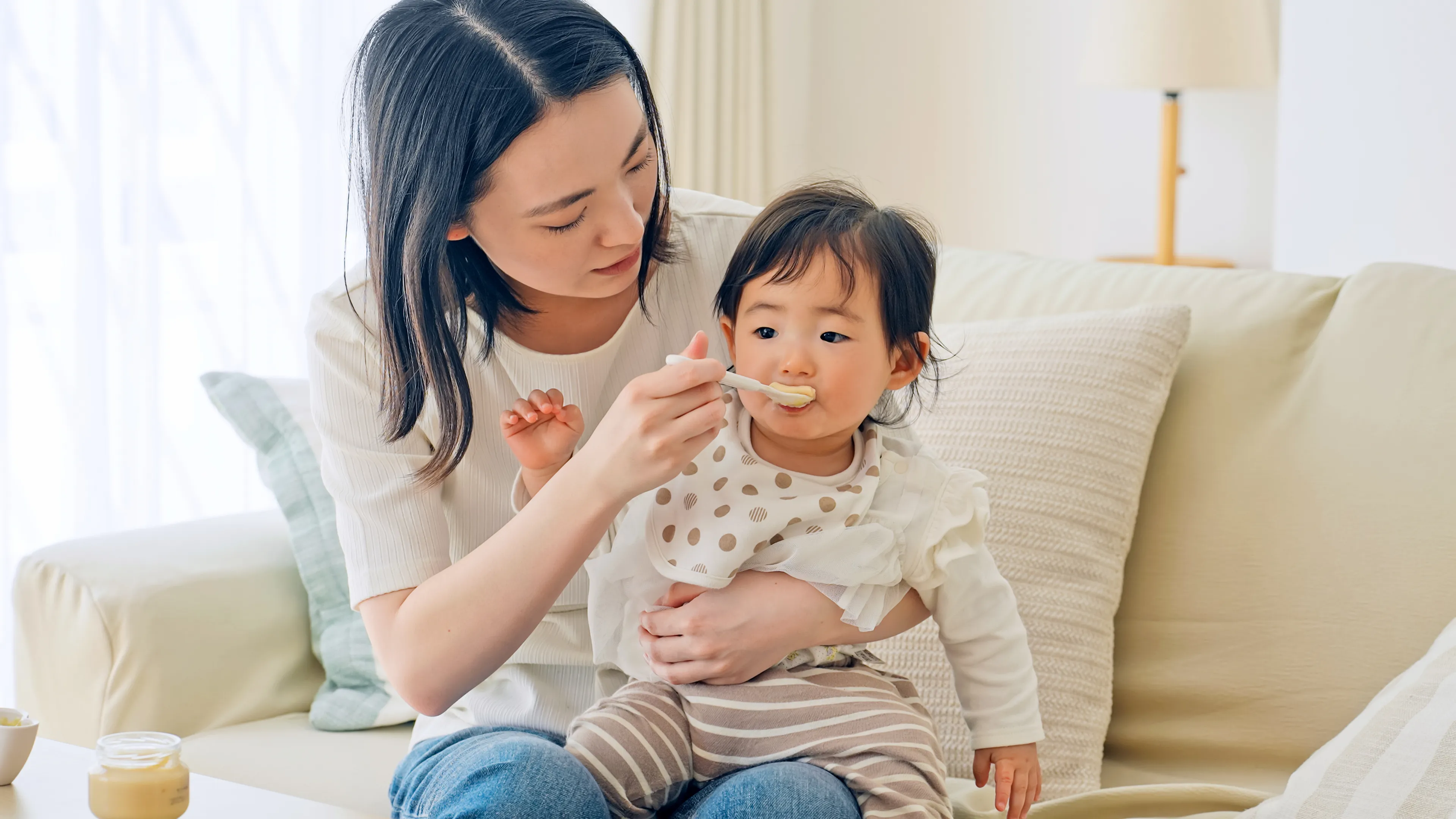
Important Tips for Safely Feeding Rice Porridge to Babies

While rice porridge for baby feeding is a highly recommended starting point, parents must follow safe feeding practices to protect their infant's health.

  • Follow the "Four-Day Rule": When introducing rice porridge for baby 6 months of age, feed it exclusively for 3 to 4 days without introducing any other new foods. Watch closely for signs of allergies, such as hives, vomiting, diarrhoea or gas.
  • Prioritise Dietary Variety: According to the Centers for Disease Control and Prevention (CDC), while rice is a valuable first grain, it should not be the only grain your baby eats. To minimise naturally occurring arsenic exposure found in soil-grown rice, rotate rice with other grains like oats, quinoa, barley and millet.
  • Skip Salt and Sugar: Do not add sugar, salt, honey or artificial sweeteners to baby food under the age of one year. The kidneys of a 6-month-old baby rice porridge consumer are too delicate to process added salt, and honey carries a risk of infant botulism.
  • Keep Portions Small: In the beginning of rice porridge baby feeding, your child may only eat one or two spoonfuls. This is entirely normal. Solid food at this stage is primarily for sensory practice and supplemental nutrition alongside breast milk or formula.

FAQS

Is brown rice better than white rice for baby porridge?

Both are excellent options. Brown rice porridge baby food contains more dietary fibre, B vitamins and minerals because the outer bran layer is kept intact. However, because fibre can be filling and slightly harder to digest for very young infants, many paediatricians recommend starting with white rice porridge for 6-month baby diets and gradually transitioning to brown rice around 8 months.

How can I ensure my baby's rice porridge is free of lumps?

To achieve a baby rice porridge smooth texture, always mix your dry rice powder with cold or room-temperature liquid before turning on the heat. Whisking the powder in cold water completely dissolves any clumps, ensuring a velvety, lump-free cook.

Can I store cooked homemade rice porridge?

Yes. You can store cooked rice porridge baby homemade meals in an airtight container in the refrigerator for up to 24 hours. When reheating, add a splash of warm water or breast milk to restore the baby rice porridge thin consistency and stir thoroughly to ensure there are no hot pockets before serving. Do not freeze or re-refrigerate leftover porridge that has already touched your baby’s spoon, as saliva introduces bacteria.

What is the difference between rice porridge and rice kanji?

These are simply different regional terms for a very similar dish. In Western countries, it is commonly referred to as rice porridge or gruel. In South Asia, especially in India, it is referred to as rice kanji baby food or kunji. Both preparations involve cooking rice with excess water until it reaches a highly digestible, soupy consistency.

At what time of day should I feed my baby rice porridge?

For a 6-month-old baby rice porridge homemade meal, mid-morning is typically the best time. Your baby will be well-rested and alert, making them more receptive to trying new textures. Additionally, feeding them earlier in the day gives you ample time to monitor them for any potential allergic reactions before bedtime.

Apollo 247 Floating Action Button