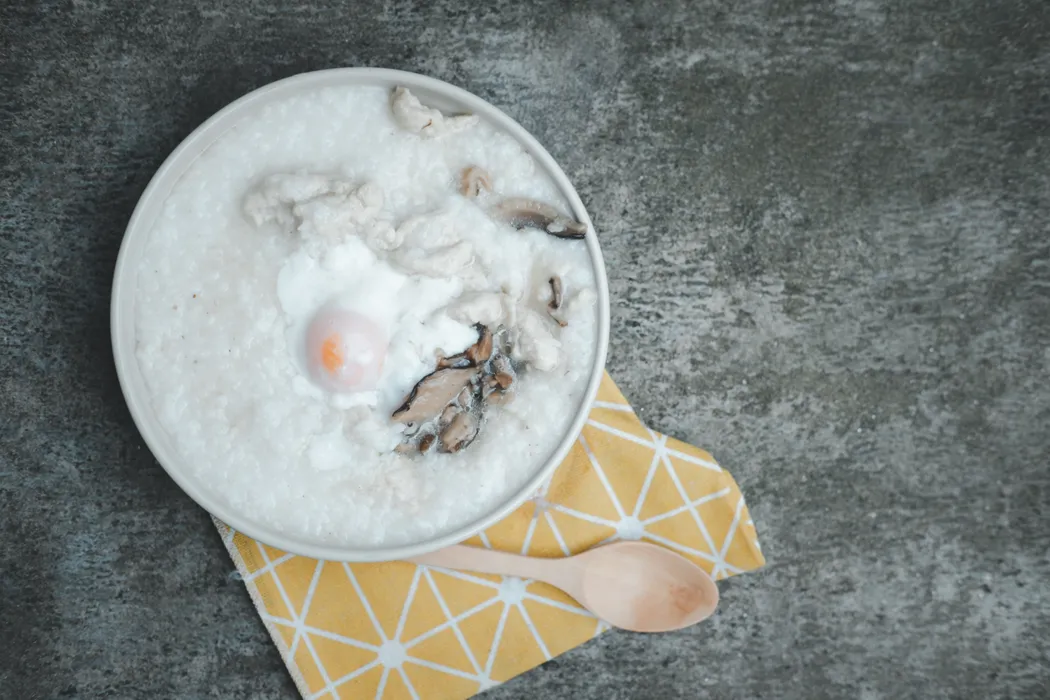
Tips to Boost Nutrition with Vegetables, Dal and Protein
Once your baby is comfortable with complementary foods, rice porridge can be combined with other ingredients to provide a broader range of nutrients. Introduce different foods gradually and pay attention to your baby's tolerance and feeding skills.
Suitable additions include:
- Lentils and pulses: Well-cooked and mashed moong dal, masoor dal or other pulses provide protein and some iron.
- Vegetables: Soft-cooked carrot, pumpkin, sweet potato and other vegetables add variety and nutrients.
- Fruit: Mashed banana or other soft, ripe fruit can add flavour and variety without added sugar.
- Egg: A well-cooked egg can provide protein and other nutrients. Introduce it in a suitable texture, starting with a small amount.
- Fish and meat: Thoroughly cooked, finely mashed or puréed fish without bones and tender meat can contribute protein and iron.
- Suitable sources of fat: A small amount of an appropriate fat, such as ghee or vegetable oil, can increase the energy content of the meal.
Common allergenic foods, including egg, fish and foods containing peanut, can generally be introduced from around six months in age-appropriate forms. Introduce them in small amounts, one at a time, so you can recognise a possible reaction. Never give whole nuts to babies because of the choking risk. If your baby has severe eczema or an existing food allergy, seek medical advice before introducing relevant allergens.
Avoid adding salt, sugar or processed flavourings to your baby's food. Offer a variety of flavours and textures, and let your baby guide how much they eat by responding to their hunger and fullness cues.