logo
0

Rice Porridge & Iron-Fortified Cereals for Babies

Learn how to introduce rice porridge and iron-fortified cereals as baby's first foods, including feeding tips, nutrition benefits and safety guidance.

article image

Dr. J.T.Hema Prathima

Starting solids is one of the most exciting milestones in your baby's first year, and rice porridge is one of the most common first foods parents reach for. It is easy to prepare, mild in flavour, and gentle on a young digestive system. But getting the timing, texture, and nutrition right matters more than most new parents realise. This guide walks you through everything you need to know, from choosing the right first food to spotting signs that your baby is ready.

When Can Babies Start Eating Rice Porridge?

Most health guidelines recommend introducing solid foods at around 6 months of age, not before. Breast milk or formula continues to provide complete nutrition in those early months, and a baby's gut, kidneys, and swallowing reflexes simply are not ready before then.

Starting rice porridge for babies before 6 months is associated with a higher risk of choking, digestive upset, and unnecessary strain on immature organs. Even if your baby seems hungry, early introduction of solids is not recommended without a paediatrician's guidance.

Signs your baby may be ready for solids:

  • Can sit upright with minimal support and hold their head steady
  • Shows interest in food by watching you eat or reaching toward your plate
  • Has lost the tongue-thrust reflex (no longer automatically pushing food out of their mouth)
  • Doubles their birth weight (roughly)

If you are unsure about your baby's readiness, speak to your paediatrician before beginning. Every baby develops at their own pace, and these signs should ideally appear together, not just one or two of them.

As you settle into the early months of parenting and prepare for this transition, brushing up on newborn care essentials during early months can also help you feel more confident overall.

Why Iron-Fortified Cereals Matter for Infants

Around 6 months of age, a baby's iron stores begin to decline, making iron-rich complementary foods increasingly important. Breast milk remains highly nutritious but does not provide enough iron on its own to meet a growing baby's needs at this stage.

  • Iron-Fortified Cereals : Iron-fortified infant cereals can be a useful first food because they provide a reliable source of iron in an easy-to-eat form. Iron is essential for brain development, healthy red blood cell production and normal energy levels.
  • Rice Porridge vs Iron-Fortified Cereal : Plain homemade rice porridge is easy to digest but contains very little iron. Iron-fortified rice cereal, on the other hand, is specifically formulated to provide iron during the weaning period.
  • Homemade Iron-Rich Options: If you prefer homemade foods, pair rice porridge with iron-rich foods such as lentil puree, mashed beans or finely pureed spinach. Offering vitamin C-rich foods, such as tomato or orange puree, alongside iron-rich foods can help improve iron absorption.

Talk to your paediatrician about whether a commercial iron-fortified cereal, a homemade approach, or a combination is right for your baby.

How to Make Rice Porridge for Babies at Home

Homemade rice cereal for infants is simple to prepare, and you have full control over the ingredients. Here is a basic method:

Basic rice porridge recipe for a 6-month-old:

  1. Grind 2 tablespoons of raw white or brown rice into a fine powder using a clean blender or dry grinder.
  2. Bring 1 cup of water to a boil in a small saucepan.
  3. Whisk in the rice powder gradually to avoid lumps.
  4. Simmer on low heat, stirring continuously, for 10 to 15 minutes until smooth and creamy.
  5. Allow to cool. Check the temperature on your wrist before feeding.
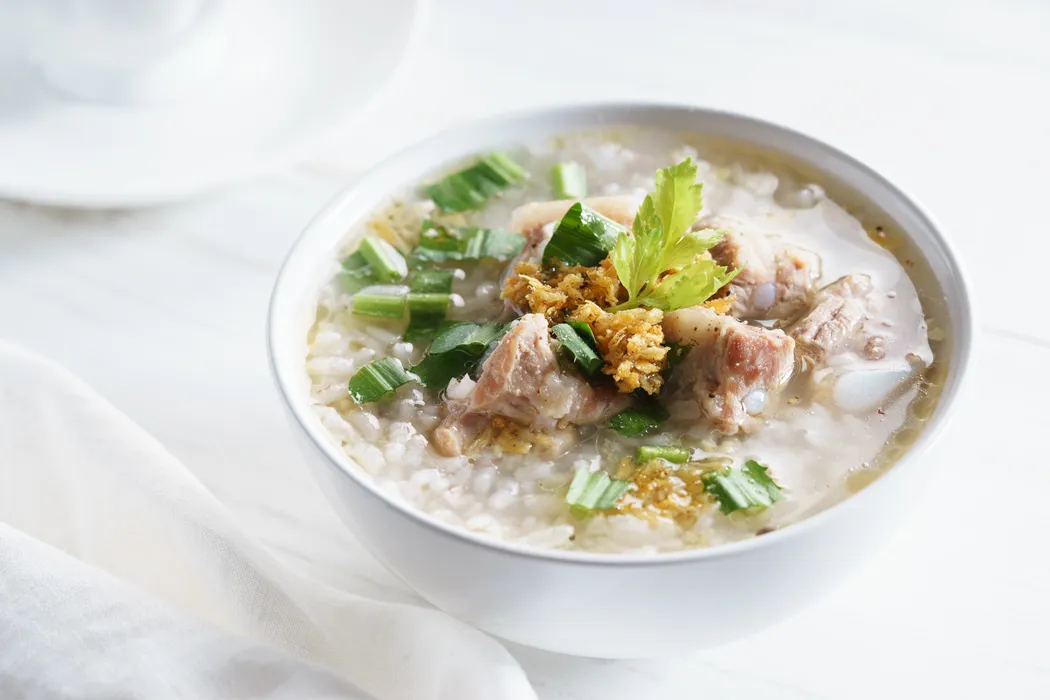
Consistency progression:

  • Weeks 1 to 2: Very thin and runny, almost drinkable. Use more water or mix with breast milk or formula to achieve this texture.
  • Weeks 3 to 4: Slightly thicker, like a loose yoghurt.
  • By 7 to 8 months: Can be thicker and chunkier as your baby gets more comfortable with textures.

Hygiene tips:

  • Wash your hands before preparing food.
  • Use freshly boiled water and clean utensils.
  • Do not store leftover porridge that your baby has already eaten from; discard it after the feed.
  • Freshly made portions are best. If you prepare in advance, refrigerate within two hours and use within 24 hours.

Never add salt, sugar, honey, or cow's milk to rice porridge for babies under 12 months. Honey in particular poses a risk of infant botulism.

Introducing New Foods Safely: Allergy and Digestion Watch

Rice is among the least allergenic grains, which is one reason it is a popular first food. Still, no food is entirely risk-free, and the way you introduce any new food matters.

Follow the three-day rule: offer the same new food for three days in a row before introducing another. This window gives you time to spot any reaction before you add more variables.

Signs that may suggest an allergic reaction or intolerance:

  • Rash, hives, or skin redness, especially around the mouth
  • Vomiting or excessive spitting up shortly after feeding
  • Diarrhoea or very loose stools
  • Unusual fussiness, crying, or signs of stomach pain
  • Swelling of the lips, face, or tongue (seek emergency care immediately)

Digestive adjustment is common when babies start solids. Some changes in stool frequency or consistency are normal. However, blood in the stool, persistent vomiting, or severe distress are reasons to call your paediatrician right away.

Introduce one single-ingredient food at a time. Mixing multiple new foods early on makes it very hard to identify the cause of any reaction.

Report adverse events to your healthcare provider or the relevant regulatory authority.

Contraindications and When to Avoid or Delay

Not every baby is ready for solid foods at exactly 6 months, and some situations call for extra caution or a delay.

You should delay starting solids and consult your doctor if your baby:

  • Was born prematurely. Premature infants often need to be assessed by corrected age rather than birth age, and their gut readiness may differ.
  • Has a diagnosed digestive condition, such as short bowel syndrome or a metabolic disorder.
  • Has a strong family history of severe food allergies. Your paediatrician may have specific guidance on sequencing and timing.
  • Shows signs of illness, such as fever or active infection, at the time you planned to begin weaning.
  • Has any swallowing difficulties or a history of reflux that is being medically managed.

In these cases, baby weaning foods, including rice porridge, should only be introduced after a clear conversation with your doctor. Do not rely on general guidelines alone when a medical history is involved.

Conclusion

Rice porridge can be a simple and gentle first food when introduced at the right time and prepared with an age-appropriate texture. However, plain rice porridge is naturally low in iron, so it should not be the only complementary food in your baby's diet. Iron-fortified cereals and other iron-rich foods, such as lentils and beans, can help meet your baby's growing nutritional needs.

Start solids around 6 months when your baby shows signs of readiness, introduce new foods gradually, and maintain good food hygiene. As your baby becomes comfortable with eating, gradually offer a wider variety of nutritious foods and textures. If your baby was born prematurely, has a medical condition, or you have concerns about feeding or allergies, seek advice from your paediatrician.

FAQS

Is rice porridge good for babies every day?

Plain rice porridge can be part of a daily diet, but it should not be the only food offered. Vary your baby's first foods to ensure a range of nutrients, particularly iron, zinc, and essential fats.

Can rice porridge cause constipation in infants?

White rice is low in fibre and may contribute to firmer stools in some babies. If constipation is a concern, try mixing in pureed fruits such as pear or prune, or switching to brown rice porridge, which has more fibre.

What is the difference between rice cereal and rice porridge?

Rice cereal typically refers to a commercially prepared, iron-fortified powder that is mixed with liquid. Rice porridge is a cooked preparation made from whole or ground rice grains. Commercial cereals are usually more nutritionally complete for infants; homemade rice porridge requires more thought around nutrient balance.

How much rice porridge should a 6-month-old eat?

Start with just one to two teaspoons per sitting, once a day. Over several weeks, you can gradually increase to a few tablespoons as your baby shows interest and tolerance.

Can I mix breast milk with rice porridge?

Yes, mixing breast milk into rice porridge is a good way to thin the texture and make the taste familiar to your baby. It also adds nutritional value. Formula works equally well as a substitute.

Apollo 247 Floating Action Button