logo
0

Seasonal Baby Foods: Summer and Winter

Discover nutritious summer and winter foods for babies and toddlers, including age-specific meal ideas, hydration tips, preparation methods and safety guidelines.

article image

Dr.Kamran

As a parent, watching your baby take their first bites of solid food is an exciting milestone. During this journey of growth, introducing your little one to fresh, seasonal ingredients is one of the best ways to support their developing immune system and expand their palate. However, as the seasons change, so do your baby's nutritional and physiological needs.

In the hot, sunny months, your primary focus should be on hydration and light, cooling ingredients. When preparing a nourishing summer food for your baby, you want meals that are easy to digest and packed with natural fluids. Conversely, during the colder months, your infant needs calorie-dense, warming meals to help maintain their body temperature and support their immune system against seasonal chills.

This guide will walk you through the best seasonal feeding practices, offering practical, paediatrician-approved food ideas for both the summer and winter seasons.

Why Does Seasonal Feeding Matter for Infants and Toddlers?

Introducing seasonal foods is not just a culinary trend; it has real health benefits for your growing child. Fruits and vegetables harvested during their natural growing seasons are typically richer in vitamins, minerals and antioxidants than crops harvested early and shipped long distances.

According to the World Health Organization (WHO), complementary feeding should start at 6 months of age, alongside continued breastfeeding. At this stage, your baby’s digestive system is ready for new textures and flavours. Offering seasonal produce ensures they get the freshest nutrients available.

Additionally, seasonal eating helps:

  • Establish healthy eating habits: Exposing babies to a variety of seasonal tastes prevents picky eating later in life.
  • Support natural physiological needs: High-water summer foods prevent dehydration, while nutrient-dense winter foods bolster the immune system.
  • Reduce exposure to preservatives: In-season crops generally require fewer preservatives to keep them fresh.

Safe and Nutritious Summer Food for Baby

During the hot, sunny months, finding the best summer food for babies becomes a top priority for parents. Infants and toddlers sweat and lose fluids much faster than adults, putting them at a higher risk of dehydration.

Hydrating Choices: Excellent Summer Food for Baby Options

When planning the ideal summer food for baby, focus on fruits and vegetables with high water content. These foods provide essential vitamins while keeping your little one refreshed.

  • Watermelon and Melons: Rich in vitamins A and C, watermelon is over 90% water. For babies just starting solids, you can blend watermelon into a smooth purée or strain the juice.
  • Cucumbers: Highly cooling and hydrating, cucumbers make an excellent summer ingredient. Peel, de-seed and steam them before puréeing for younger infants.
  • Pears and Peaches: These juicy, sweet fruits are gentle on a baby’s stomach and provide a wonderful dose of dietary fibre to keep digestion smooth.
  • Yoghurt (for babies over 6 months): Plain, unsweetened whole-milk yoghurt is naturally cooling, rich in calcium and contains gut-friendly probiotics.

Note: Always remember that for babies under 6 months, breast milk or formula is the only source of hydration they need, as recommended by the Centers for Disease Control and Prevention (CDC).

Age-Specific Ideas: Summer Food for 8 Months Baby and 9 Months Baby

As your baby grows, their ability to handle textured foods increases. By 8 and 9 months, most infants can manage thicker purées, mashed foods and soft finger foods.

Summer Food for 8 Months Baby

If you are looking for the right summer food for 8 months baby, focus on textured purées and soft finger foods.

  • Steamed Zucchini Purée: Zucchini has a high water content and is incredibly easy to digest. Steam it gently and mash it with a fork.
  • Avocado and Banana Mash: This creamy, no-cook combination is packed with healthy fats and potassium. It requires no stove time, keeping your kitchen cool.
  • Chilled Coconut Water Oats: Cook plain oats in water, let them cool to room temperature, and mix in a tablespoon of unsweetened coconut water for a refreshing breakfast.

Summer Food for 9 Months Baby

Similarly, the best summer food for 9 months baby includes small pieces of ripe, soft fruits and safe finger foods that encourage self-feeding.

  • Soft Peach Slices: Peel a ripe peach, cut it into thin, easy-to-grip wedges, and let your baby practise their pincer grasp.
  • Steamed Broccoli Florets: Serve chilled or at room temperature. Broccoli provides excellent hydration and essential vitamin C.
  • Yoghurt and Berry Mash: Gently mash blueberries or raspberries and stir them into plain yoghurt for a cooling, antioxidant-rich snack.

Feeding Older Children: Summer Food for Toddlers

Once your child transitions past their first year, their activity levels increase dramatically. Therefore, it is equally important to plan nutritious summer food for toddlers who are highly active and playing outdoors.

Great options for summer food for toddlers include:

  • Homemade Breast Milk or Fruit Ice Pops: Purée fresh strawberries, mangoes or watermelon, pour them into BPA-free popsicle moulds, and freeze. You can also use breast milk or formula as a base.
  • Cucumber and Mint Sticks: Slice cucumbers into thin sticks and toss them with a tiny splash of lemon juice and fresh mint for a refreshing, hydrating snack.
  • Fruit Salad with Mint: Toss small, bite-sized pieces of melon, kiwi and strawberries together. Always supervise your toddler to ensure fruits are cut safely to prevent choking.

When preparing summer food for babies and toddlers, remember to avoid added sugars or salt, keeping their meals as natural and pure as possible.

Summer Foods vs. Winter Foods

Summer Foods (Focus: Hydration & Cooling)

Winter Foods (Focus: Heat)

Watermelon, peaches and plums

Sweet potatoes, squash

Cucumbers, zucchini and leafy greens

Carrots, beets, turnips

Plain whole-milk yoghurt and coconut water

Oats, barley, brown rice

Breast milk/formula ice pops

Warm lentil and bean soups

Nourishing Winter Baby Food to Keep Little Ones Warm and Healthy

As the temperature drops, transitioning to a warm, comforting winter baby food menu helps support your baby’s immune system during cold and flu season. Choosing the right baby food in winter season ensures your little one gets enough energy to maintain their body temperature and stay active.

Warming Choices: Winter Food for Baby

A perfect winter food for baby is a warm bowl of oatmeal or mashed sweet potato. Warm, cooked foods are highly comforting and easier to digest when the body is conserving energy to stay warm.
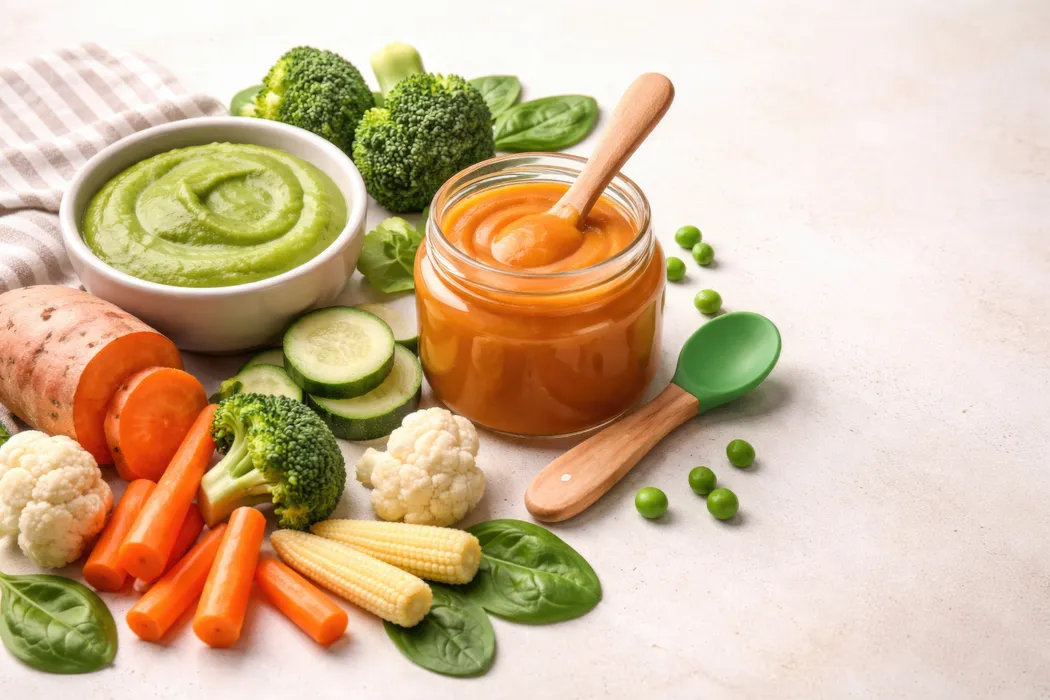
  • Sweet Potatoes and Squash: Naturally sweet and comforting, butternut squash, pumpkins and sweet potatoes are rich in beta-carotene, which converts to vitamin A to support healthy skin and immune function.
  • Warm Porridges: Oats, ragi (finger millet) and semolina cooked with breast milk or formula make an excellent, warming breakfast.
  • Lentils and Legumes: Another ideal winter food for baby is warm lentil soup or puréed yellow moong dal. These provide the protein and iron necessary for healthy red blood cells and energy production.

Preparing homemade winter baby food allows you to preserve essential nutrients by steaming or pressure-cooking vegetables rather than boiling them, which can leach out water-soluble vitamins.

Nutrient-Dense Winter Food for Babies

When selecting winter food for babies, prioritise foods rich in vitamin C, zinc and healthy fats. These nutrients act as a natural shield against common cold viruses.

  • Root Vegetables: Carrots, beetroot and turnips are in abundance during the winter. Their natural starches convert to gentle energy, which makes root vegetables an excellent choice for winter food for babies.
  • Stewed Apples and Pears: Cooking apples and pears with a tiny pinch of cinnamon makes them incredibly soft, sweet and comforting for a cold winter morning. Cinnamon has mild warming properties that are gentle on baby tummies.
  • Puréeed Green Vegetables: Spinach, peas and mustard greens are loaded with iron and vitamins. Blend them with sweet potatoes or carrots to balance the earthy flavour.

Transitioning to Toddlerhood: Winter Food for 1 Year Baby

By the time your child reaches their first birthday, their digestive tract is much more mature, and they can enjoy a wider variety of family meals.

When planning winter food for 1 year baby, you can start incorporating more family meals with mild warming herbs and spices. A balanced winter food for 1 year baby should include a mix of whole grains, soft-cooked meats and vegetables.

  • Warm Vegetable Soups: Prepare a hearty soup using carrots, peas, potatoes and lentils. Add a tiny pinch of turmeric and cumin to aid digestion and boost immunity.
  • Mashed Khichdi: A traditional South Asian dish made of soft-cooked rice and lentils, mashed with a tiny teaspoon of ghee (clarified butter). Ghee provides healthy, calorie-dense fats that help keep a toddler warm and energised during winter.
  • Scrambled Eggs: Rich in protein, choline and healthy fats, soft scrambled eggs served warm make an exceptional winter breakfast for toddlers.

General Safety and Preparation Tips for Seasonal Baby Food

Regardless of the season, food safety and hygiene are critical when preparing meals for your infant.

  1. Avoid Honey Under 12 Months: Never give honey to a baby under one year of age, as it can cause infant botulism, a rare but serious illness.
  2. Watch the Temperature: In the summer, avoid leaving baby food at room temperature for more than two hours (or one hour if it is warmer than 90°F/32°C) to prevent bacterial growth. In the winter, ensure food is comfortably warm, not hot, before feeding.
  3. Prevent Choking: Always cut grapes, cherry tomatoes and berries into small, thin quarters. Avoid whole nuts, raw carrots or hard apple slices.
  4. Follow the 3-Day Rule: When introducing a new seasonal food, wait 3 to 5 days before introducing another. This helps you easily identify the source of any potential allergic reactions or digestive issues.

Conclusion

Seasonal foods can add variety, freshness, and important nutrients to a baby’s complementary diet throughout the year. During summer and winter, parents can choose suitable fruits, vegetables, grains, and other wholesome foods based on availability and the baby’s developmental stage. Regardless of the season, foods should be prepared using safe cooking methods and offered in soft, age-appropriate textures. By focusing on a diverse and balanced diet rather than specific seasonal foods alone, parents can help ensure their baby receives the nutrients needed for healthy growth and development.

FAQS

When can I start giving my baby water during hot summer days?

According to the Mayo Clinic, babies under 6 months of age get all their necessary hydration from breast milk or formula. Do not give water to infants under 6 months unless specifically advised by your paediatrician. After 6 months, you can offer small sips of water (around 4 to 8 ounces per day) in a sippy cup alongside solid foods.

What is the best summer food for baby to prevent dehydration?

The best summer food for baby to prevent dehydration includes high-water-content fruits and vegetables like watermelon, cucumbers, steamed zucchini and peaches. Plain whole-milk yoghurt (for babies over 6 months) is also excellent. However, remember that breast milk or formula remains your baby's primary source of hydration during their first year.

How can I keep winter baby food warm and safe to eat?

To keep food warm safely, heat only the portion your baby will eat. Avoid warming food in plastic containers in the microwave, as this can create uneven "hot spots" that can burn your baby's mouth. Instead, place the baby food bowl inside a larger bowl of warm water to gently raise its temperature.

Are there specific warming spices I can add to winter food for babies?

Yes! For babies over 6 months, you can introduce mild, warming spices in very small quantities. A tiny pinch of cinnamon in oatmeal, nutmeg in sweet potato purée, or turmeric and cumin in lentil purées can enhance flavour, aid digestion and provide gentle warmth. Avoid hot spices like chilli powder or black pepper.

How do I introduce new seasonal foods to an 8-month-old baby?

Introduce one new seasonal food at a time in a smooth or finely mashed texture. Offer it in the morning so you can monitor your baby throughout the day for any signs of an allergic reaction, such as a rash, vomiting or diarrhoea.

Apollo 247 Floating Action Button