logo
0

Seeds for Babies: Can I Give Pumpkin Seeds to My Baby?

Wondering "can I give pumpkin seeds to my baby?" Learn when and how to safely introduce pumpkin, chia, flax and sesame seeds to your baby’s diet.

article image

Dr. Mayank

Introducing solid foods to your little one is an exciting milestone. As you transition your baby to table foods, you might look at your own pantry and wonder: can I give pumpkin seeds to my baby? Seeds are nutritional powerhouses packed with vitamins, healthy fats and minerals that support rapid growth. However, because whole seeds present a serious choking hazard, knowing how to safely prepare them is essential. In this comprehensive guide, we will answer all your questions, including can I give seeds to my baby, which seeds are safe and how to introduce them into your little one's diet.

Can I Give Pumpkin Seeds to My Baby?

To answer the common question, can I give pumpkin seeds to my baby: yes, you can absolutely feed them to your child, but only if they are properly prepared. Whole pumpkin seeds are a major choking hazard for infants and young children.

So, what age can babies eat pumpkin seeds safely? You can introduce pumpkin seeds as soon as your baby is ready to start solid foods, which is typically around 6 months of age. However, at this early stage, you must serve them in a finely ground or powdered form mixed into purées, yoghurts or warm cereals.

Many parents wonder, can babies eat pumpkin seeds in their whole or roasted form? The answer is a definitive no. According to the Centers for Disease Control and Prevention (CDC), whole seeds should be avoided until a child is at least 4 years old, as their airways are small and they are still learning how to grind food with their molars.

But are pumpkin seeds good for babies? Yes, they are highly beneficial! Pumpkin seeds are good for babies because they are exceptionally rich in iron, zinc, magnesium and healthy unsaturated fats, all of which support brain development and immune system function.

What Seeds Are Good for Babies?

When looking to expand your little one's palate, you might ask, which seeds are good for babies? There are several highly nutritious options that make excellent additions to an infant's diet.

If you are wondering what seeds are good for babies and how to include them in meal planning, here are the top seeds good for babies to consider:

  • Pumpkin seeds
  • Chia seeds
  • Flax seeds
  • Sesame seeds
  • Sunflower seeds

Using these finely ground or puréed seeds for baby food is an easy way to naturally boost the nutrient density of your baby's meals without adding large volumes of food to their tiny tummies.

Is Pumpkin Seeds Good for Babies: Nutritional Benefits

As mentioned, pumpkin seeds are good for babies due to their impressive nutritional profile. Around 6 months of age, a baby's natural iron stores begin to deplete, making iron-rich foods crucial. Ground pumpkin seeds are an excellent plant-based source of iron and zinc, which helps support a healthy immune system and cellular growth.

Can I Give Chia Seeds to My Baby?

Another frequent question from parents is: can I give chia seeds to my baby? Yes, you can! But are chia seeds good for babies, and how should they be prepared?

Indeed, chia seeds are good for babies because they contain high levels of omega-3 fatty acids, calcium and dietary fibre. When considering whether babies can eat chia seeds or whether babies can have chia seeds, the preparation method is vital.

Because chia seeds absorb liquid and form a gelatinous texture, they should never be served dry. Dry chia seeds can expand in the airway or throat, causing a blockage. To serve them safely:

  • Soak them in breast milk, formula, water or yoghurt until they expand fully.
  • Mix them into purées or puddings.

Once your child grows, you might ask, can toddlers eat chia seeds? Yes, soaked chia seeds make a wonderful, fibre-rich addition to a toddler's oatmeal, smoothies or fruit cups.

Can I Give Flax Seeds to My Baby?

If you are planning healthy meals, you may ask, can I give flax seeds to my baby? The answer is yes. But is flaxseed good for babies, and are flax seeds good for babies in general? Absolutely. Nutritionists agree that flax seeds are good for babies because they provide alpha-linolenic acid (ALA), an essential omega-3 fatty acid that is vital for early brain development.

However, whole flax seeds have a tough outer shell. If swallowed whole, they will pass through your baby's digestive tract completely undigested, meaning your baby won't absorb any of the nutrients.

To solve this, use ground flaxseed, often referred to as flaxseed powder baby food. Stirring a teaspoon of flaxseed powder baby food into warm cereal, applesauce, or mashed banana is the best way to ensure your child gets all the health benefits.

Can I Give Sesame Seeds to My Baby?

You might also wonder, can I give sesame seeds to my baby? Yes, you can, but sesame is a common allergen. So, are sesame seeds good for babies and is sesame good for babies? Nutritionally, sesame is fantastic. It is rich in calcium, which supports bone development, as well as healthy fats and B vitamins.

Because whole sesame seeds can be tough to digest and pose a minor choking risk, the safest way to introduce sesame is through tahini (sesame paste). Thin the tahini with water, breast milk or formula, and mix a small amount into a fruit or vegetable purée.

Note: Introduce sesame carefully and on its own first, monitoring for any signs of an allergic reaction.

Can I Give Sunflower Seeds to My Baby?

Finally, can I give sunflower seeds to my baby? Yes, you can introduce them once they are ground into a fine powder or served as a smooth sunflower seed butter.

So, are sunflower seeds good for babies? Sunflower seeds are rich in vitamin E, a powerful antioxidant that protects cells, as well as magnesium and selenium. Always ensure sunflower seed butter is thinned down with water or purée, as thick, sticky nut or seed butters can be difficult for young babies to swallow.

How to Prepare Seeds for Baby Food Safely?

Safety is the number one priority when introducing seeds to your infant. Here is a handy guide on how to safely prepare seeds to prevent choking:
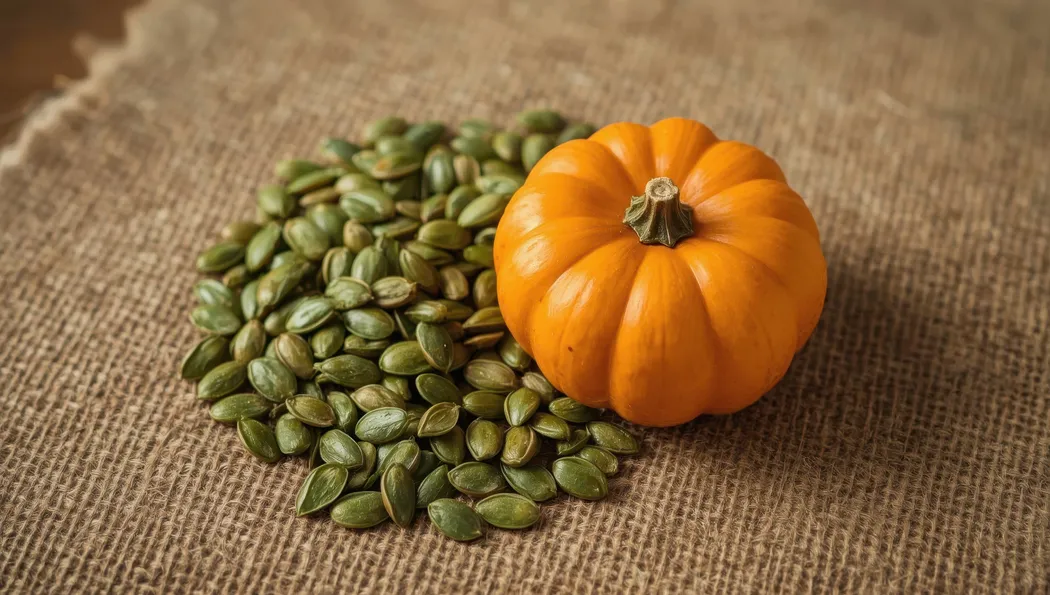
  • Grind into a Fine Powder: Use a clean spice grinder, coffee grinder or high-powered food processor to grind pumpkin, flax, sunflower or sesame seeds into a flour-like consistency.
  • Thin Out Seed Butters: If using commercial pumpkin seed butter or sunflower seed butter, never feed it straight from the jar. Thin it out with warm water, formula, breast milk or applesauce to reduce its stickiness.
  • Soak Chia Seeds: Always soak chia seeds in liquid for at least 15 to 20 minutes before serving.
  • Avoid Whole Seeds: Do not give whole seeds of any kind to children under 4 years of age.

Best Seeds for Toddlers to Eat

As your baby transitions into a toddler, their chewing skills will improve. What are the best seeds for toddlers to eat?

While whole seeds should still be avoided until age 4, the best seeds for toddlers to eat include:

  • Hemp hearts (soft texture, easy to chew)
  • Soaked chia seeds mixed into puddings
  • Ground flax seeds stirred into pancakes or muffins
  • Thinned sunflower seed butter as a dip for soft fruit slices

Conclusion

Seeds can be a nutritious addition to a baby’s complementary diet when introduced at the appropriate stage and prepared in a safe, age-appropriate form. Seeds such as chia, flax, sesame, and pumpkin seeds can provide nutrients including healthy fats, protein, fibre, vitamins, and minerals that support growth and development. Whole or large seeds may be difficult for babies to chew and can pose a choking risk, so they should be finely ground, softened, or incorporated into suitable foods. By introducing seeds gradually, offering appropriate textures, and including them as part of a varied and balanced diet, parents can safely add these nutrient-rich foods to their baby’s meals.

FAQS

Can I give pumpkin seeds to my baby every day?

Yes, you can feed ground pumpkin seeds to your baby daily in moderation. A small amount, such as half a teaspoon to one teaspoon mixed into their food, is plenty to provide a great nutritional boost.

What age can babies eat pumpkin seeds in their whole form?

Children should not eat whole pumpkin seeds until they are at least 4 years old. Before this age, children lack the molars necessary to grind hard, woody seeds down safely, posing a severe choking hazard.

Can babies eat chia seeds without soaking them first?

No, babies should never eat dry chia seeds. Dry chia seeds absorb moisture rapidly and can expand in your baby's oesophagus or airway, creating a dangerous blockage. Always soak them in liquid first.

How can I tell if my baby is allergic to sesame seeds?

Signs of an allergic reaction can include hives, swelling of the face or tongue, vomiting, coughing or difficulty breathing. If you notice any of these signs, seek medical care immediately. Introduce sesame in tiny amounts on its own so you can easily spot a reaction.

Can I use store-bought ground seeds for baby food?

Yes, you can buy pre-ground seeds like ground flaxseed or chia meal. Just ensure the store-bought product is fresh, kept in a cool place (as ground seeds can spoil quickly) and does not contain added salt, sugars or preservatives.

Apollo 247 Floating Action Button