logo
0

Squash and Zucchini for Babies

Learn about squash and zucchini for babies, including their benefits, when to introduce them, safe preparation methods, easy baby food recipes, storage tips, and feeding safety. 
 

article image

Dr. Kamran

When your little one reaches about six months of age, starting solid  foods is an exciting milestone. As a parent, you want to offer foods that are gentle on tiny tummies, packed with nutrients, and easy to prepare. Among the best first options you can introduce is homemade zucchini baby food.

Both squash and zucchini are culinary wonders for infants. They have a mild flavour, a naturally smooth texture when cooked, and are loaded with essential vitamins. In this comprehensive guide, we will explore the nutritional benefits of summer and winter squash, show you how to prepare safe and delicious meals, and share simple recipes your baby will love.

Why Choose Squash and Zucchini for Your Baby?

Introducing a variety of vegetables early on helps shape your baby’s palate for a lifetime of healthy eating. Both zucchini (a type of summer squash) and winter squashes (like butternut squash) are excellent choices for several reasons:

  • Easy Digestibility: Their soft flesh and gentle fibres are incredibly easy for developing digestive systems to process.
  • High Water Content: Zucchini is composed of about 95% water, making it excellent for keeping your baby hydrated and preventing constipation.
  • Rich in Nutrients: These vegetables are packed with vitamins A, C, and B6, as well as potassium, folate, and magnesium, which support your baby's rapid growth.
  • Low Allergenic Risk: Squash and zucchini are not among the top common food allergens, making them safe starting points for solids.

The Health Benefits of Zucchini Baby Food

When you begin making homemade zucchini baby food, you are giving your infant a head start on essential nutrition. Zucchini is a powerhouse of antioxidants, particularly lutein and zeaxanthin, which support healthy eye development.

Furthermore, the vitamin C found in zucchini helps boost your baby’s immune system and aids in the absorption of iron from other dietary sources, such as iron-fortified cereals or pureed meats. Because it has a mild, slightly sweet flavour, it acts as a perfect canvas, blending beautifully with other vegetables and fruits.

When Can Babies Eat Zucchini and Squash?

According to the Centers for Disease Control and Prevention (CDC) and the World Health Organization (WHO), most infants are ready to start solid foods around six months of age. Before introducing solids, look for these key developmental signs of readiness:

  • Your baby can sit up with little or no support.
  • They have good head and neck control.
  • They show interest in food (e.g., watching you eat or reaching for your plate).
  • The tongue-thrust reflex (pushing food out of the mouth automatically) has diminished.

Once your paediatrician gives you the green light, starting with a single-ingredient vegetable puree is a wonderful way to begin.

How to Prepare Zucchini for Your Baby

Making your own baby food is simpler than you might think. It allows you to control exactly what goes into your child's body—free from added salts, sugars, or preservatives.

Selecting and Cleaning Zucchini

Look for small to medium-sized zucchinis that are firm to the touch and have shiny, unbroken green skin. Smaller zucchinis are ideal because they contain fewer seeds and have a sweeter, less bitter taste. Wash the vegetables thoroughly under cool running water to remove any dirt or bacteria.

To Peel or Not to Peel?

For very young babies just starting on purees (around 6 months), it is often recommended to peel the zucchini. The skin, while packed with nutrients, can be tough for early digestive systems to break down and may result in a slightly gritty texture. As your baby grows older and becomes accustomed to textures (around 8 months and up), you can leave the skin on to maximise nutritional value.

Easy Zucchini Recipes for Your Baby

Here are some easy ways to prepare zucchini to ensure your baby gets the smoothest, most delicious transition to solid foods.

1. Simple Homemade Zucchini Puree

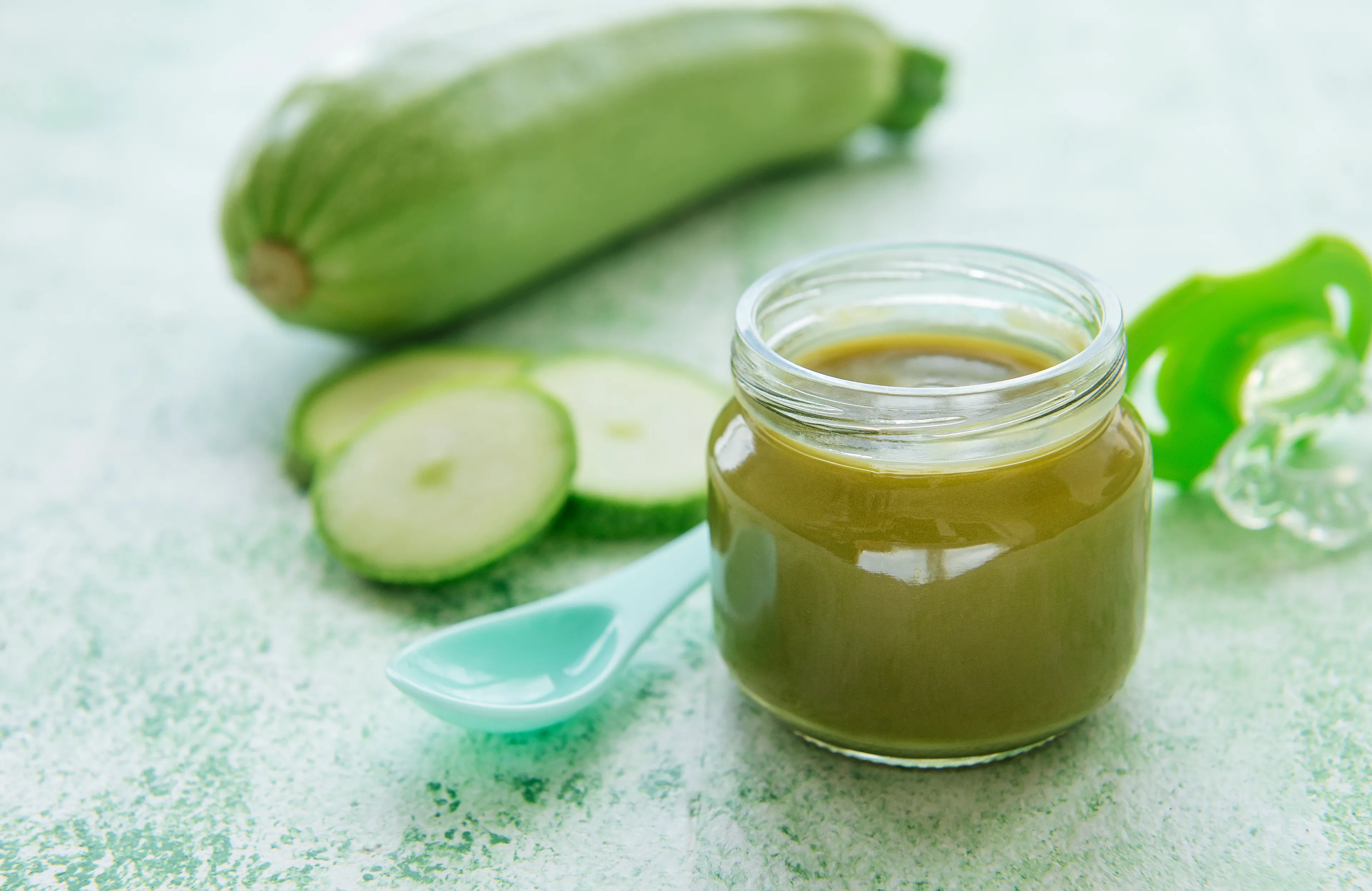
Making a batch of smooth zucchini puree baby food is very straightforward. It is a fantastic starter recipe that you can easily whip up in under 20 minutes.

Step 1: Wash and peel one medium zucchini. Slice it into even rounds.
Step 2: Place the zucchini slices in a steamer basket over boiling water. Steam for about 8 to 10 minutes, or until the slices are completely tender when pierced with a fork.
Step 3: Transfer the steamed zucchini to a blender or food processor.
Step 4: Blend until completely smooth. Because of its high water content, zucchini baby puree can sometimes turn out a bit runny. If you need to thicken it, you can stir in a spoonful of oatmeal baby cereal. If you need to thin it out further, add a splash of breast milk, formula, or the cooking liquid.

2. Creamy Apple and Zucchini Blend

If you want to introduce a touch of natural sweetness, preparing a zucchini puree for baby blended with sweet apples is highly recommended.

Ingredients: 1 cup of peeled, diced zucchini and 1 cup of peeled, cored, and diced sweet apple (like Gala or Fuji).

Instructions: Steam the zucchini and apple chunks together until tender (about 10–12 minutes). Blend until smooth, adding a pinch of cinnamon for a warm, comforting flavour.

Exploring Squash Varieties for Babies

While zucchini is a wonderful summer squash option, winter squashes are equally valuable additions to your baby's diet. They are denser, naturally sweeter, and have a beautiful, vibrant orange colour.

1. The Benefits of Butternut Squash:

Among winter varieties, butternut squash baby food stands out as a sweet, comforting option for infants. It is incredibly rich in beta-carotene, which the baby's body converts into vitamin A. Vitamin A plays a vital role in bone growth, healthy vision, and immune function.

2. How to Prepare Butternut Squash Puree:

Making a silky butternut squash puree that baby will absolutely adore is highly rewarding. Because winter squash is much denser than summer squash, roasting is the best method to bring out its natural, caramelized sweetness.

Step 1: Preheat your oven to 400°F (200°C).
Step 2: Halve the butternut squash lengthwise and scoop out the seeds.
Step 3: Place the halves face-down on a baking sheet lined with parchment paper. Bake for 40 to 50 minutes, or until the flesh is completely tender and can be easily scooped with a spoon.
Step 4: Scoop the warm flesh into a food processor and blend until perfectly smooth. Add breast milk, formula, or water to achieve the desired consistency.

Storing and Freezing Baby Food

Homemade baby food is fresh and lacks preservatives, meaning it must be stored correctly to prevent bacterial growth.

  • Refrigerator Storage: Store fresh squash baby food or zucchini puree in airtight glass or BPA-free plastic containers in the fridge for up to 48 to 72 hours.
  • Freezer Storage: To save time, make big batches and freeze them. Spoon the puree into clean silicone ice cube trays and freeze until solid. Once frozen, transfer the cubes into a freezer-safe silicone bag. This allows you to thaw individual portions whenever you need them. You can freeze any leftover squash puree baby doesn't eat immediately for up to three months.
  • Safe Thawing: Thaw frozen baby food cubes overnight in the refrigerator, or warm them up gently in a warm water bath. Always stir well and test the temperature on your wrist before feeding your child.

Introducing New Foods Safely

Whenever you introduce a new food to your baby, it is best to practice a few safety guidelines:

1. The Single-Ingredient Rule: Offer zucchini or squash on its own for 3 to 5 days before mixing it with other foods. This allows you to monitor your baby for any potential allergic reactions or digestive issues.
2. Watch for Allergic Reactions: While rare with squash and zucchini, signs of an allergic reaction can include hives, swelling, vomiting, diarrhea, or difficulty breathing. If you notice any of these signs, seek medical attention immediately.
3. Transitioning Textures: As your baby approaches 8 to 10 months, you can transition from smooth purees to thicker mashed textures, and eventually to soft, bite-sized pieces of cooked squash or zucchini that they can pick up themselves (baby-led weaning).

Conclusion

Introducing squash and zucchini can be a simple and nutritious way to help your baby explore new flavours, textures, and foods from around six months, when they are developmentally ready for solid foods. Whether you choose smooth zucchini puree, a fruit and vegetable blend, or naturally sweet butternut squash, these vegetables can provide useful nutrients as part of a varied complementary diet. By preparing them safely, avoiding added salt and sugar, storing homemade baby food correctly, and gradually progressing from purees to thicker and softer textures, you can make squash and zucchini an enjoyable part of your baby’s feeding journey. Always follow your baby’s readiness and feeding cues, and consult your paediatrician if you have concerns about introducing new foods. 

FAQS

Do I need to peel zucchini before making baby food?

For babies who are just starting solids (around 6 months), peeling the zucchini is recommended. The skin can be tough for young digestive systems to process and may make the puree slightly gritty. As your baby gets older and transitions to textured foods, you can leave the skin on for extra fibre and nutrients.

Can I use frozen zucchini to make baby food?

Yes, frozen zucchini is a convenient and nutritious option. Ensure there are no added salts or preservatives. Steam or cook the frozen zucchini directly before pureeing it. Do not refreeze baby food that was made from previously frozen vegetables unless it has been thoroughly cooked first.

Which is healthier for babies: zucchini or butternut squash?

Both are incredibly healthy but offer different nutritional benefits. Zucchini is highly hydrating, light, and packed with vitamin C and potassium. Butternut squash is calorie-dense, sweet, and loaded with vitamin A and dietary fibre. Serving both offers your baby a well-rounded spectrum of vitamins.

Why is my zucchini puree so watery?

Zucchini is roughly 95% water. When cooked and blended, it naturally becomes quite liquid. To thicken a runny puree, you can mix in a small amount of iron-fortified baby cereal, mashed avocado, or a denser puree like sweet potato or butternut squash.

Can squash or zucchini cause gas in babies?

Squash and zucchini are generally considered gentle on the stomach and are unlikely to cause excessive gas. They are excellent first foods because they promote healthy digestion. However, every baby’s digestive system is unique. Introduce them in small amounts to see how your baby tolerates them.

Apollo 247 Floating Action Button