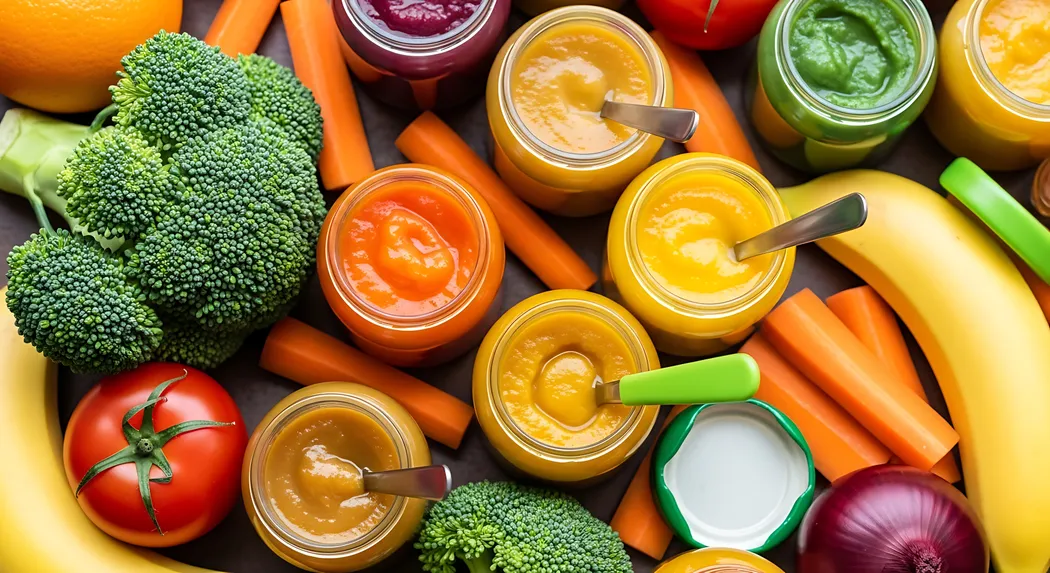
When you are ready to expand your baby's palate, incorporating these ten foods can provide an excellent nutritional foundation. Each of these options can be part of a varied diet for babies who are developmentally ready for complementary foods.
1. Avocados: The Ultimate Healthy Fat
Avocado is often called the perfect first food, and for good reason. It is rich in healthy monounsaturated fats, which are important for brain development. Additionally, avocados have a naturally smooth, creamy texture when mashed, making them easy for young infants to swallow. This versatile fruit also contains dietary fibre, folate, potassium and vitamin E, making avocado an exceptional super food for baby meal planning.
2. Sweet Potatoes: Packed with Beta-Carotene
Sweet potatoes are a favourite among babies due to their naturally sweet taste. They are an outstanding source of beta-carotene, which the body converts into vitamin A. Vitamin A is important for healthy vision, skin and immune function. Sweet potatoes are also a source of fibre and can be easily steamed and mashed to a soft consistency.
3. Bananas: Easy to Digest and Nutrient-Dense
If you need a quick, no-cook option, bananas are highly convenient. They provide carbohydrates, potassium, vitamin B6, vitamin C and fibre. Their soft texture makes them suitable for mashing or serving as an appropriately prepared finger food for older babies.
4. Blueberries: High in Antioxidants
These tiny berries are nutrient-dense and contain antioxidants, vitamin C, vitamin K and fibre. For young babies, blueberries should be thoroughly mashed or puréed. For older infants eating finger foods, remember to flatten or cut them appropriately to reduce the risk of choking.
5. Greek Yoghurt: Calcium and Probiotics
Plain, unsweetened whole-milk Greek yoghurt is an excellent source of calcium, protein and phosphorus, which are important for growing bones. It may also contain live cultures that support a healthy gut microbiome. Choose full-fat, pasteurised varieties without added sugars.
6. Eggs: Choline for Brain Development
Eggs are a source of high-quality protein. The yolk contains choline, an important nutrient for brain development, as well as other nutrients that support growth. Introducing eggs during complementary feeding can be appropriate for many babies and may help reduce the risk of developing an egg allergy. Ensure the eggs are fully cooked before serving.
7. Broccoli: Loaded with Vitamin C and Fibre
Broccoli is a nutritious green vegetable to introduce during complementary feeding. It contains vitamin C, which helps the body absorb iron from plant-based foods, as well as folate, calcium and fibre. Introducing a variety of vegetables early in life may also help babies become familiar with different flavours.
8. Salmon: Omega-3 Fatty Acids for Growth
Salmon is an excellent source of docosahexaenoic acid (DHA), an omega-3 fatty acid that supports early brain and eye development. It also provides high-quality protein and vitamin D. When preparing salmon for your baby, ensure it is thoroughly cooked, finely flaked and completely free of bones.
9. Beans and Lentils: Plant-Based Iron and Protein
Lentils and beans, such as black beans and chickpeas, are budget-friendly, nutritious options. They provide plant-based protein, fibre, zinc and iron. Since iron is particularly important after six months of age, serving mashed lentils alongside a food rich in vitamin C, such as broccoli or bell peppers, may help the body absorb the iron more efficiently.
10. Oatmeal: A Gentle, Iron-Fortified Grain
Single-grain oatmeal is a nutritious alternative to traditional rice cereal. It provides carbohydrates and can be fortified with iron. Opt for iron-fortified baby oatmeal and prepare it to an age-appropriate consistency.