logo
0

Travel Food for Babies: Safe, Easy & Healthy Ideas

Discover safe and healthy travel food for babies, including easy meal ideas, snacks, packing tips and food safety advice for trips.

article image

Dr.Nallapu Siri

Travelling with your little one is an exciting adventure, but it often comes with one major question: "What will my baby eat on the road?" Finding the right ready to eat baby food for travel is a game-changer for parents. Whether you are planning a weekend road trip, boarding a train, or embarking on a long-distance flight, managing food for babies while travelling requires a bit of preparation.

In this comprehensive guide, we will share the best baby travel food ideas, age-specific meal plans, safety guidelines, and rules for bringing food on a plane to keep your baby happy, healthy, and satisfied during your journey.

Age-Specific Baby Travel Food Guide

Your baby's nutritional needs and eating capabilities change rapidly during their first year. When choosing food for babies while travelling, it helps to plan according to their developmental stage.

6 to 7 Months Old: Starting Solids on the Go

At this stage, babies are just beginning their solid food journey. The World Health Organization (WHO) recommends exclusive breastfeeding for the first six months, followed by the introduction of safe, nutrient-dense complementary foods.

For 6 months baby food while travelling and 7 months baby food while travelling, simple single-ingredient purees are best.

  • Best Foods: For a 6-month baby and 7-month baby while travelling, simple single-ingredient purees are the safest and easiest choice.
  • Zero-Cook Options: Mashed banana and mashed avocado are ideal travel foods because they require no cooking and come in their own natural protective peel.
  • Easy Purees: Powdered rice cereal, ragi porridge mix, or single-grain oatmeal can be quickly mixed with warm water, breast milk, or formula, making them convenient travel-friendly foods for 6–7 month babies.
  • Portability Tips: Keep meals simple to reduce the chance of digestive upset while travelling. Small portions of pre-steamed and mashed sweet potato can be stored in an insulated food container and served when needed.

8 to 10 Months Old: Texture and Variety

As babies grow, they can tolerate slightly thicker textures and soft finger foods.

  • 8 to 9 Months: For 8-month baby travel food and 9-month baby travel food, introduce thicker purees, mashed fruits, and soft finger foods that are easy to eat while travelling.
  • Soft Mashed Foods: Well-mashed boiled potatoes, carrots, pumpkin, and sweet potato are convenient and travel-friendly options for 8–9 month babies.
  • Soft Solids: Soft-cooked vegetables, tiny pieces of soft tofu, ripe banana slices, and other easy-to-chew finger foods are suitable for a 9-month-old baby during travel.
  • 10 Months: For 10-month baby travel food, offer small pieces of well-cooked pasta, soft cheese, steamed fruit spears, and soft family foods cut into bite-sized pieces.
  • Portability Tips: Use a thermal food jar to keep homemade foods warm and safe for 4–6 hours, making it easier to carry fresh meals during travel.

11 Months to 1 Year and Beyond: Toddler Meals

By this age, toddlers are eating a variety of table foods, making travel much easier.

  • 11 Months: For travel food for an 11-month-old baby, pack versatile finger foods like soft-cooked beans, scrambled egg bites, pancake strips, and soft vegetable sticks.
  • 1 Year: For travel food for a 1-year-old baby, toddlers can eat modified versions of family meals as long as they are low in salt and added sugar.
  • Healthy Snacks: Pack sliced soft fruits, cheese cubes, whole-grain crackers, yoghurt, and homemade mini sandwiches as easy travel-friendly snacks for a 1-year-old.
  • Toddler Fuel: Always carry extra baby travel snacks to prevent hunger during long trips. Quick oats, freeze-dried fruit, roasted makhana powder, or instant porridge mixes are convenient options for travelling with a 1-year-old.

Homemade vs. Ready to Eat Baby Food for Travel

When considering baby food while travelling, parents often weigh the pros and cons of homemade versus commercial options. Both have their place in your travel bag.

Baby Travel Food Options

Homemade Foods

  • Fresh & highly customised
  • No added preservatives
  • Requires prep & cooling
  • Shorter shelf life

Ready-to-Eat Pouches

  • Shelf-stable & sterile
  • Extremely portable
  • No preparation needed
  • Easy to feed directly

The Benefits of Homemade Baby Food

If you prefer homemade baby food for travelling, preparation is key. Many parents look for travel friendly baby food recipes that don't spoil quickly.

For example, homemade baby food for travelling Indian style often includes roasted flour mixes like ragi (finger millet), sooji (semolina), or sattu (roasted gram flour). These act as excellent baby instant food for travel because you only need to add hot water to create a nutritious, warm porridge on the spot. 

Try these simple travel friendly food recipes for baby:

  • Roasted Oats Powder: Blend rolled oats into a fine powder, roast it dry, and store it in an airtight container. Mix with hot water and a mashed banana when ready to feed.
  • Dehydrated Fruit Powders: Add a spoonful of apple or banana powder to warm cereal to naturally sweeten it.

The Convenience of Commercial Ready-to-Eat Food

On the other hand, commercial ready to eat food for babies while travelling offers unmatched convenience. The best baby food for travel is often a combination of both. Organic pouches, freeze-dried fruit snacks, and pre-packaged infant cereals act as perfect instant food for babies while travelling.

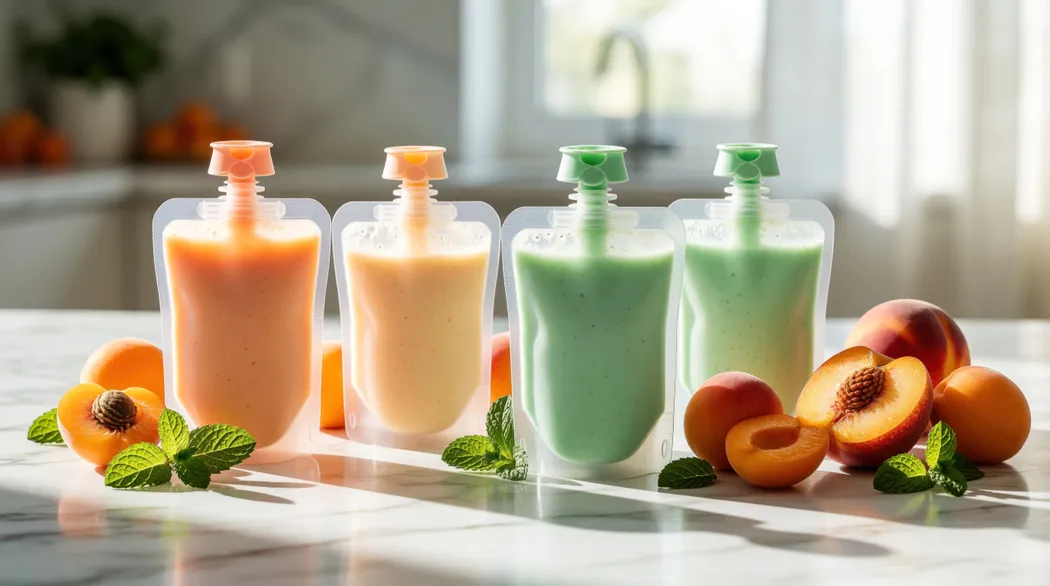
If you are looking for instant travel food for babies, squeeze pouches are sterile, lightweight, and don't require bowls or spoons. This makes them the ultimate easy baby food for travelling when you are on a tight flight or train schedule. Having both instant food for baby while travelling and a few homemade options ensures you are prepared for any flight delays or transit changes.

Flying with Baby Food: Rules and Regulations

One of the most common worries for parents travelling by air is: is baby food allowed in flight? The short answer is yes!

Aviation Security Guidelines

Most international aviation security agencies, such as the TSA (Transportation Security Administration), make explicit exceptions for baby food, breastmilk, and formula. They are allowed in carry-on baggage in reasonable quantities exceeding the standard 3.4-ounce (100ml) liquid limit.

  • Security Screening: Yes, you can carry baby food on a flight, but it must be declared at airport security for separate screening.
  • Accessibility: Keep baby food in a dedicated, clear zip-top bag inside your carry-on so it is easy to access during the flight.
  • Allowed Items: You can carry breast milk, infant formula, sterilised water, liquid purees, jarred or pouched baby food, juice for infants, and powdered formula on most flights.
  • Cooling Tips: Use fully frozen ice packs or gel packs to keep breast milk and fresh baby food cold. Frozen packs usually pass security more easily than slushy or partially melted ones.

Road Trips and Car Travel: Keeping Food Fresh

When organising baby food for travel by car, you have a bit more flexibility with space, but temperature control remains critical.

  • Invest in a Cooler: Knowing how to manage baby food while travelling in a vehicle involves investing in a high-quality insulated cooler bag with plenty of reusable ice packs. The Centers for Disease Control and Prevention (CDC) warns that perishable foods left at room temperature (above 40°F or 4°C) for more than two hours can grow harmful bacteria.
  • Portion Control: If you are wondering how to carry baby food while travelling in a car, divide meals into single-serving containers. This prevents double-dipping, which introduces oral bacteria and causes food to spoil faster.
  • Heating on the Go: For parents who want to know how to prepare baby food while travelling or even how to cook baby food while travelling, portable food warmers that plug into the car's 12V outlet or compact travel kettles are incredibly useful. You can use these to heat water to mix with ready to eat baby food for travel or to warm up pre-made purees safely.

Smart Packing Hacks and Safe Travel Snacks

Mastering packing baby food for travel requires a balance between nutrition, safety, and mess prevention.

What Food to Carry for Baby While Travelling

When choosing baby food to carry while travelling or food to carry for baby while travelling, opt for dry, low-mess foods whenever possible. Excellent baby travel snacks and baby snacks for travel include:

  • Puffs and teething wafers
  • Freeze-dried fruit pieces (melts in the mouth)
  • Soft-cooked vegetable sticks (carrots, sweet potatoes)
  • Peeled bananas or avocados

Is Rusk Good for Babies?

Many parents ask: is rusk good for babies? While traditional rusks are easy for babies to hold and soothe sore gums, many commercial brands contain high amounts of refined white flour (maida), sugar, palm oil, and preservatives. Paediatric experts recommend choosing low-sugar, whole-grain baby crackers specifically formulated for infants, or baking your own healthy oat-and-banana-based rusks instead of offering standard store-bought tea rusks.

How to Pack Baby Food for Travel

If you are unsure of how to pack baby food for travel, follow these simple steps to ensure your baby enjoys safe baby food during travel:

  • Use Silicone Pouches: Reusable silicone squeeze tubes are leak-proof and drop-proof.
  • Pack Travel Utensils: Carry spoons that snap into protective plastic cases to keep them clean.
  • Bring Disinfecting Wipes: Always sanitise hands and tray tables before feeding.
  • Use Sealed Bags: Double-bag any liquid purees to protect your diaper bag from high-altitude pressure leaks.

Conclusion

Travelling with a baby becomes easier when you plan meals according to their age, pack safe and convenient foods, and follow proper food storage practices. From simple homemade purees and instant porridge mixes to ready-to-eat pouches and healthy snacks, there are plenty of practical options for every stage. With a little preparation and attention to food safety, you can keep your baby well-fed, comfortable, and happy throughout the journey.

FAQS

How do I safely store homemade baby food while travelling?

To store homemade baby food safely, place it in sterilised, airtight containers and keep it inside an insulated cooler bag with frozen ice packs. Ensure the food stays cold (under 40°F/4°C) until served, and discard any leftovers your baby has touched to prevent bacterial growth.

How do I make baby food while travelling in a hotel room?

Knowing how to make baby food while travelling is easy with basic tools. You can mash soft fruits like bananas, avocados, or papayas using a travel fork or a compact baby food mill. If you have a hotel kettle, you can easily prepare instant food for the baby while travelling, such as instant oats, rice cereal, or mashed potato flakes, using hot water.

What is the best ready to eat baby food for travel?

The best ready to eat baby food for travel includes organic baby food pouches (which require no spoon and are highly sanitary), single-serve oatmeal cups, freeze-dried fruit bites, and unsweetened fruit cups (like applesauce).

Can I use tap water to mix baby formula or cereal while travelling?

According to the World Health Organization, you should always use boiled water or safe bottled water to prepare baby formula or instant cereals while travelling. Tap water in unfamiliar destinations may contain pathogens that a baby's developing immune system cannot handle.

How can I warm up baby food on an airplane?

Since aircraft do not have microwaves for passenger use, you can ask a flight attendant for a cup or bowl of hot water. Submerge your baby food jar, bottle, or squeeze pouch in the hot water for a few minutes to warm it up safely. Always test the temperature on your wrist before feeding your child.

Apollo 247 Floating Action Button