logo
0

6 Effective Ways to Manage Period Pain

Learn six effective ways to manage period pain, including heat therapy, OTC pain relief, exercise, diet, TENS and relaxation techniques.

article image

Dr.Ezhilrasan

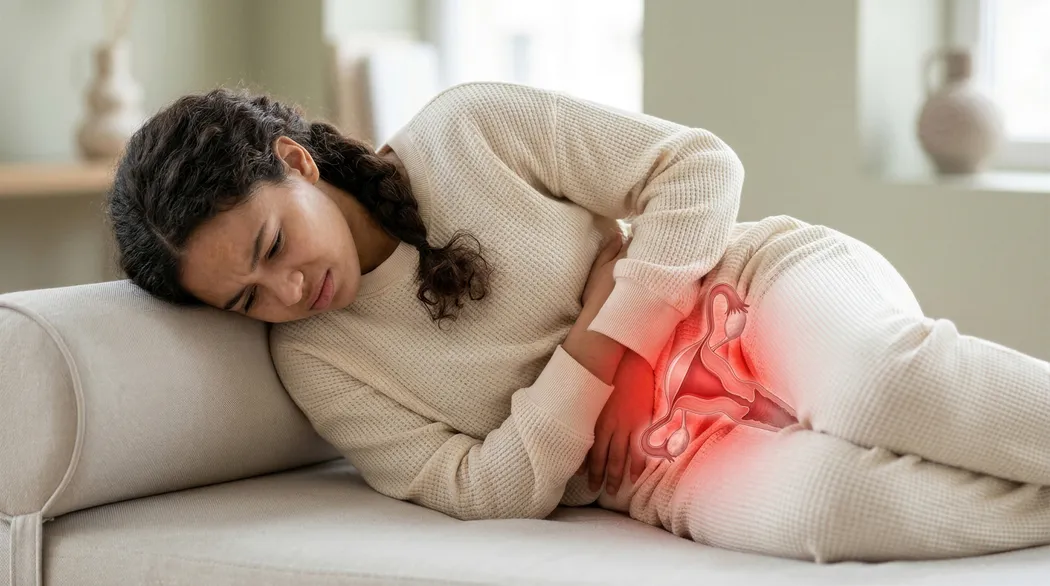
For millions of women across India, that familiar ache in the lower abdomen signals the start of another difficult few days. Learning to manage period pain effectively can transform your monthly experience from something you dread into something you can actually handle, with the right mix of period pain home remedies, over-the-counter options, and a few targeted lifestyle habits.

What Is Period Pain and Why Does It Happen?

Period pain, medically called dysmenorrhoea, falls into two types. Primary dysmenorrhoea is the common cramping with no underlying disease behind it. Secondary dysmenorrhoea is linked to conditions such as endometriosis, fibroids, or pelvic inflammatory disease.

The cramps themselves are largely linked to prostaglandins, hormone-like chemicals involved in uterine contractions and inflammation. Higher prostaglandin activity is associated with stronger uterine contractions and more intense pain. According to Cochrane's review of NSAIDs for dysmenorrhoea, women with dysmenorrhoea have higher levels of prostaglandins, which contribute to cramping abdominal pain.

6 Effective Ways to Manage Period Pain

Here is a practical overview before we go deeper into each method:

  1. Apply heat to the lower abdomen to help ease cramps.
  2. Take an OTC analgesic such as paracetamol, ibuprofen, or mefenamic acid at the first sign of cramps, rather than waiting for pain to become severe.
  3. Do light aerobic exercise like walking or yoga to help reduce pain.
  4. Adjust your diet in the days before your period, focusing on a balanced intake of omega-3-rich foods and magnesium.
  5. Try a TENS (transcutaneous electrical nerve stimulation) device, which sends mild electrical pulses to help manage pain.
  6. Use relaxation techniques such as deep breathing or progressive muscle relaxation to help manage pain and stress.

Heat therapy and NSAIDs are among the better-supported approaches for primary dysmenorrhoea. Which method works best varies by person, so it is worth trying more than one approach.

Heat Therapy: How and Why It Works?

A hot water bottle or heating pad is one of the well-supported menstrual cramp remedies. Heat may increase local blood flow and help relax muscles, which can ease pain. The NHS recommends using a heat pad or hot water bottle wrapped in a towel on the abdomen to help relieve period pain.

Apply heat to your lower abdomen or lower back for a comfortable period of time, following the instructions for the particular heating product. Keep a layer of cloth between the heat source and your skin to prevent burns, and never sleep with a heating pad switched on.

If a hot water bottle is inconvenient at work or while travelling, heat patches are a compact OTC alternative. These stick inside your clothing and provide several hours of low-level warmth without wires or a power source. Look for them at most pharmacies.

OTC Pain Relievers: Safe Choices for Period Pain

OTC pain relief for periods is the go-to for many women, and three generic options cover common situations.

Paracetamol can help with mild to moderate period pain and may be an option for women who cannot take NSAIDs. Paracetamol (Crocin) for mild period pain is widely available without a prescription. Follow the dosing instructions on the pack and do not exceed the stated daily maximum.

Ibuprofen is an NSAID (non-steroidal anti-inflammatory drug) that reduces the production of prostaglandins involved in menstrual cramps, making it particularly effective for dysmenorrhoea relief. According to Cochrane's review of NSAIDs for dysmenorrhoea, NSAIDs are effective for relieving period pain and appear to work better than paracetamol in the available evidence. Take ibuprofen with food if it causes stomach discomfort. It may not be suitable if you have kidney disease, peptic ulcers, gastrointestinal bleeding, or asthma triggered by NSAIDs.

Mefenamic acid is another NSAID commonly used for period pain. Like ibuprofen, it reduces prostaglandin production and can help relieve dysmenorrhoea. Follow the product instructions or your doctor's advice regarding when and how to take it.

A few things to keep in mind:

  • NSAIDs are generally most effective when started early in the course of menstrual pain. If your cycles are predictable, starting treatment shortly before or at the onset of your period may help.
  • Do not use prescription-strength NSAIDs without a doctor's advice.
  • Do not combine two NSAIDs at the same time.
  • If standard OTC doses are not controlling your pain, consult a doctor rather than increasing the dose yourself.

Note: Tablets that affect menstrual timing are a separate category entirely and should only be used under medical supervision.

Report adverse events to your healthcare provider or the relevant regulatory authority.

Lifestyle Changes: Diet, Exercise, and Stress Management

Diet for Period Pain

What you eat in the week before your period can influence how intense your cramps feel, although dietary measures should not replace established treatments for significant dysmenorrhoea. These dietary menstrual cramp remedies are worth building into your routine.

  • Omega-3 fatty acids in fish like sardines, mackerel, and salmon may help reduce menstrual pain. Flaxseeds and walnuts are good plant-based sources. According to Cochrane's review of dietary supplements for menstrual pain, fish oil has shown some potential benefit, although the overall evidence for dietary supplements remains limited.
  • Magnesium is involved in normal muscle and nerve function. Spinach, pumpkin seeds, dark chocolate, and legumes are practical sources. Evidence specifically supporting magnesium supplementation for period pain remains limited.
  • Calcium plays a role in normal muscle function and may help with cramping when dietary intake is adequate. Calcium and Vitamin D3 supplements are an option if your diet is low in dairy or fortified foods, though food sources like milk, curd, and ragi are preferable where possible.
  • Cutting back on salt in the days before your period may help reduce bloating, which can add to abdominal discomfort.
  • Limit caffeine and alcohol during your period if you find that they worsen your symptoms.

Exercises for Period Pain

It may be the last thing you feel like doing, but gentle movement may help. According to Cochrane's review of exercise for dysmenorrhoea, both low- and high-intensity exercise may reduce the intensity of period pain compared with no exercise, although the evidence was limited.

Even a 20-minute walk can be a manageable way to stay active when you have cramps. Yoga poses such as child's pose, cat-cow, and supine twist gently stretch the lower back and abdomen. Light cycling or swimming works well too. You do not need an intense workout. The goal is to get moving, not to push through exhaustion.

Stress Management

Stress can influence how the body processes and perceives pain. Simple techniques like diaphragmatic breathing (slow, deep breaths into the belly) or five minutes of progressive muscle relaxation before sleep may help you manage discomfort and stress. These are period pain home remedies that cost nothing and can be used alongside other approaches.

Contraindications and When Not to Self-Treat

Knowing when to stop self-managing and see a doctor is just as important as knowing which remedies to try.

Do not use ibuprofen or mefenamic acid without medical advice if you:

  • Have a history of peptic ulcers or gastrointestinal bleeding
  • Have kidney or liver disease
  • Have asthma that NSAIDs trigger
  • Are pregnant, particularly from 20 weeks onwards, or have been advised to avoid NSAIDs
  • Are already on blood thinners or other prescribed NSAIDs

If you are breastfeeding, ask your doctor or pharmacist whether the specific medicine is appropriate rather than automatically avoiding all NSAIDs.
Avoid heat pads if you:

  • Have reduced skin sensation in the area (for example, due to diabetes-related neuropathy)
  • Have an active skin condition or open wound over the area

See a doctor promptly if your period pain:

  • Is getting worse with each cycle, not staying the same
  • Starts mid-cycle or continues well after your period ends
  • Comes with fever, unusual vaginal discharge, or very heavy bleeding
  • Does not respond adequately to standard OTC treatment

These red-flag symptoms can point to secondary dysmenorrhoea, conditions like endometriosis or fibroids that need proper diagnosis and treatment, not just stronger painkillers. The NHS advises seeking medical attention when period pain becomes severe, worsens, or interferes with daily activities.

Conclusion

Period pain is common, but you do not have to simply endure it every month. Heat therapy, appropriate pain relievers, regular physical activity, a balanced diet and relaxation techniques may help manage cramps and make your periods more comfortable. Starting suitable pain relief early may also improve symptom control.

However, severe or worsening period pain, pain that interferes with daily activities, or symptoms such as heavy bleeding, fever or unusual vaginal discharge should not be ignored. These may indicate an underlying condition that requires medical evaluation. If your period pain is difficult to manage or changes over time, speak with a gynaecologist to identify the cause and discuss appropriate treatment.

FAQS

How do I stop period pain immediately?

There is no guaranteed way to stop period pain immediately. Applying heat to the lower abdomen and taking an appropriate pain reliever early in the course of cramps may provide relief. NSAIDs such as ibuprofen can be particularly effective because they reduce prostaglandin production.

Can period pain be a sign of something serious?

Most period pain is primary dysmenorrhoea and is not caused by an underlying disease. However, worsening pain, pain that lasts beyond your period, or pain accompanied by fever, unusual discharge or heavy bleeding can signal an underlying condition such as endometriosis or fibroids. See a gynaecologist if any of these apply.

Does Vitamin D help with period pain?

Some studies suggest that low vitamin D levels may be associated with more severe menstrual cramps, and supplementation may help some women, particularly those who are deficient. However, vitamin D is not an established first-line treatment for period pain. If you are unsure about your vitamin D levels, ask your doctor whether testing or supplementation is appropriate.

How many days does period pain last?

Period pain commonly occurs around the start of menstruation and usually lasts up to about three days. The NHS notes that period pain usually lasts for up to three days. Pain that continues beyond your period or is becoming progressively worse is worth discussing with a doctor.

Is it normal to have period pain every cycle?

Mild to moderate cramping every cycle is very common and is not necessarily a cause for alarm. What warrants attention is pain that is getting progressively worse, severe enough to stop daily activities, or accompanied by other symptoms like heavy bleeding or pain during sex.

Apollo 247 Floating Action Button