logo
0

Wheat Allergy in Babies: Symptoms, Diagnosis & Safety Tips

Worried about wheat allergy in babies? Learn the common symptoms, how to spot an allergic reaction, and practical safety tips for introducing solids.

article image

Dr. Nallapu Siri

Watching your baby try their first spoonful of solid food is an exciting milestone. From mashed avocados to pureed sweet potatoes, introducing new flavours is a joy for parents. However, this transition can also bring a bit of anxiety, particularly when it comes to introducing common food allergens.

As you begin offering family staples like bread, pasta, or baby cereal, you might worry about a wheat allergy in babies. Because wheat is a dominant ingredient in many household foods, understanding how a baby's immune system reacts to it is crucial for their safety and your peace of mind.

This comprehensive guide will help you understand what a wheat allergy is, how to recognize the symptoms, how it is diagnosed, and how to safely manage your baby's diet.

What is a Wheat Allergy?

A wheat allergy is an allergic reaction to foods containing wheat. It occurs when a baby’s immune system mistakenly identifies one or more of the proteins found in wheat—such as albumin, globulin, gliadin, or gluten—as dangerous invaders.

To defend the body, the immune system releases antibodies called Immunoglobulin E (IgE). These antibodies trigger chemical releases, including histamine, which lead to an allergic reaction. This reaction can affect various parts of the body, including the skin, digestive tract, and respiratory system.

Wheat Allergy vs. Celiac Disease vs. Gluten Intolerance

It is very common for parents to confuse a wheat allergy with celiac disease or gluten sensitivity. While they can share some overlapping digestive issues, they are medically distinct:

  • Wheat Allergy: This is a classic IgE-mediated food allergy. The reaction can occur within minutes to a couple of hours after eating wheat. It can cause immediate symptoms like hives, swelling, or even life-threatening anaphylaxis.
  • Celiac Disease: This is an inherited autoimmune disorder, not a classic allergy. When a person with celiac disease consumes gluten (a protein found in wheat, barley, and rye), their immune system attacks the lining of the small intestine. This causes long-term damage and malabsorption of nutrients.
  • Non-Celiac Gluten Sensitivity: This is a digestive intolerance where a child experiences discomfort, gas, or bloating after eating gluten, but without the allergic or autoimmune markers of wheat allergy or celiac disease.

When parents search for gluten allergy symptoms in babies, they are often actually looking for signs of either celiac disease or a classic wheat allergy. However, it is important to remember that a baby with a wheat allergy may still safely tolerate other gluten-containing grains like barley and rye, whereas a baby with celiac disease must avoid all gluten.

How Common Is Wheat Allergy in Babies?

If you are feeling anxious about introducing wheat-based foods, you might wonder: how common is wheat allergy in babies?

Wheat is recognized as one of the "Big Nine" food allergens, alongside cow's milk, eggs, peanuts, tree nuts, soy, fish, shellfish, and sesame. However, compared to milk or egg allergies, a wheat allergy is relatively uncommon in infants.

According to major allergy research databases, wheat allergy affects approximately 0.4% to 1% of children globally. The good news is that wheat allergy is often a temporary condition of early childhood. Research shows that the majority of children outgrow their wheat allergy by the time they reach school age (typically by age 5 to 12).

Recognizing Wheat Allergy Symptoms in Babies

Allergic reactions in infants can sometimes be difficult to spot because babies cannot verbally communicate what they are feeling. Instead, parents must rely on physical signs and behavioral changes.

Typically, wheat allergy symptoms in babies appear within minutes to two hours after consuming a food containing wheat. These symptoms can range from mild to severe.

Mild to Moderate Symptoms

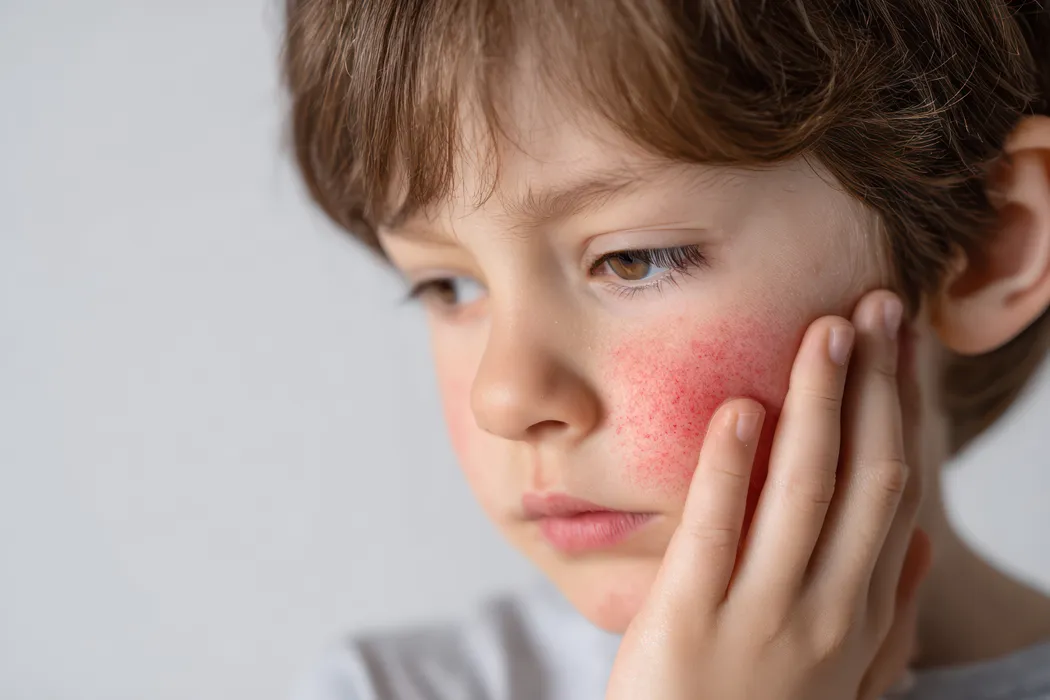
  • Skin Reactions: The most common sign is hives (red, itchy bumps on the skin). You might also notice a red rash, flushed skin, or localized swelling around the face, lips, tongue, or eyes.
  • Digestive Issues: This can present as sudden vomiting, diarrhoea, stomach cramps, or signs of abdominal pain (such as pulling their legs up to their chest and crying inconsolably).
  • Respiratory Symptoms: Your baby might experience a runny nose, sneezing, a mild cough, or watery, itchy eyes.
  • Behavioral Changes: Unexplained fussiness, irritability, or lethargy shortly after eating can also point to an allergic response.

Severe Symptoms (Anaphylaxis)

Anaphylaxis is a severe, potentially life-threatening allergic reaction that requires immediate emergency medical attention. It involves multiple body systems at once. Signs of anaphylaxis in a baby include:

  • Difficulty breathing, wheezing, or a hoarse, raspy cry.
  • Swelling of the throat, tongue, or lips that restricts the airway.
  • Pale or bluish skin colour.
  • A sudden drop in blood pressure, which may cause the baby to become weak, floppy, or lose consciousness.
  • Severe, repetitive vomiting.

If you suspect your baby is experiencing anaphylaxis, call emergency services (911 or your local emergency number) immediately and administer an epinephrine auto-injector if one has been prescribed.

Understanding Gluten Allergy Symptoms in Babies

While a "gluten allergy" is not an official medical term, many parents use this phrase when looking for signs of gluten-related issues. If your baby is struggling with gluten specifically (such as in celiac disease), the symptoms will look different from a rapid-onset wheat allergy.

Common gluten allergy symptoms in babies (more accurately described as signs of celiac disease or gluten intolerance) develop more slowly over weeks or months and include:

  • Failure to thrive (poor weight gain or weight loss).
  • Chronic, foul-smelling diarrhoea or severe constipation.
  • A swollen, distended, or bloated belly.
  • Irritability and fatigue due to poor nutrient absorption.
  • A distinct, itchy skin rash called dermatitis herpetiformis (though this is rare in infants).

If you notice these chronic, long-term digestive and growth issues after introducing wheat, barley, or rye into your baby's diet, consult your paediatrician to discuss testing for celiac disease rather than a standard food allergy.

How is a Wheat Allergy Diagnosed?

If you suspect your baby is reacting to wheat, do not diagnose the allergy yourself or start a highly restrictive diet without consulting a professional. Schedule an appointment with your paediatrician, who may refer you to a board-certified paediatric allergist.

An allergist will use several tools to diagnose a wheat allergy in babies:

  • Detailed Medical History: The doctor will ask about your baby’s symptoms, how quickly they appeared after eating wheat, and if there is a family history of allergies, eczema, or asthma.
  • Skin Prick Test: A tiny drop of wheat extract is placed on your baby’s skin (usually the back), and the skin is lightly scratched. If a small, raised red bump (resembling a mosquito bite) appears within 15 minutes, it suggests an allergy.
  • Blood Test (Specific IgE): A blood sample is analysed to measure the level of IgE antibodies directed against wheat proteins.
  • Oral Food Challenge: If the diagnosis is still unclear, the allergist may perform a supervised oral food challenge in their clinic. Your baby will be given tiny, gradually increasing amounts of wheat under close medical supervision to see if a reaction occurs. This is the gold standard for diagnosing food allergies.

Managing a Wheat Allergy in Babies: Practical Tips

If your baby is diagnosed with a wheat allergy, the primary treatment is strict avoidance of wheat in all forms. Managing this safely involves reading food labels carefully, finding nutritious substitutes, and preparing a safe home environment.

1. Master the Art of Label Reading

Under food allergen labeling laws in many countries (such as the FDA in the United States), wheat must be clearly listed on the ingredients label of packaged foods. However, wheat can hide under many unexpected names. Always check ingredient lists for the following terms:

All-purpose flour, bread flour, cake flour, durum, pastry flour, semolina, and spelt.

  • Bulgur, couscous, farina, kamut, einkorn, and emmer.
  • Hydrolyzed wheat protein or wheat starch.
  • Bran, wheat germ, and wheat gluten.
  • Malt (which can be derived from wheat or barley).
  • Soy sauce (most commercial soy sauces contain wheat).

2. Choose Nutritious Wheat-Free Grains

Wheat is an excellent source of carbohydrates, fibre, and B vitamins, but it is not irreplaceable. There are many delicious, nutrient-dense, gluten-free grains you can offer your baby instead:

  • Oats: Ensure they are labeled "certified gluten-free" to avoid cross-contamination.
  • Rice: Brown or white rice baby cereals and grains.
  • Quinoa: A protein-rich seed that behaves like a grain.
  • Millet and Buckwheat: Excellent, naturally gluten-free alternatives for baking or porridge.
  • Corn: Cornmeal, corn tortillas, and polenta.

3. Prevent Cross-Contamination

If the rest of your household eats wheat, you must take steps to avoid cross-contamination:
Use separate cutting boards, knives, and prep areas for your baby's food.

Buy a separate toaster or use toaster bags for your baby's gluten-free/wheat-free bread.
Wash your hands thoroughly after handling wheat products before touching your baby's food or utensils.

How to Safely Introduce Wheat to Your Baby

Modern paediatric guidelines from the American Academy of paediatrics (AAP) recommend introducing common food allergens, including wheat, around 6 months of age, once your baby is developmentally ready for solids. Delaying the introduction of allergens does not prevent allergies and may actually increase the risk of developing them.
Here is a safe, step-by-step approach to introducing wheat:

  • Start Healthy and Well: Only introduce a new allergen when your baby is healthy and free of any active eczema flare-ups or illness.
  • Introduce One Allergen at a Time: Do not introduce wheat on the same day you introduce other major allergens (like egg or peanut). This ensures that if a reaction occurs, you know exactly which food caused it.
  • Start Small: Mix a tiny amount of wheat (such as a teaspoon of wheat infant cereal or a small pinch of wheat flour mixed into a tolerated fruit puree) into their food.
  • Offer Early in the Day: Feed your baby the new food during breakfast or lunch so you can monitor them for symptoms throughout the afternoon. Avoid offering new allergens right before bedtime.
  • Keep Offering if Tolerated: If your baby shows no signs of reaction, continue to include wheat in their diet regularly (at least a few times a week) to help maintain tolerance.

Conclusion

Wheat allergy in babies can cause reactions ranging from mild skin or digestive symptoms to severe anaphylaxis. Parents should learn to recognise warning signs and seek medical advice if a reaction is suspected. Wheat can generally be introduced around six months when a baby is developmentally ready for solid foods, rather than being delayed solely to prevent allergy. If a wheat allergy is diagnosed, careful label reading, avoidance of wheat and prevention of cross-contamination are important for keeping your baby safe.

FAQS

Can a baby react to wheat through breast milk?

While it is theoretically possible for trace amounts of wheat proteins to pass into breast milk, it is highly uncommon for this to cause an immediate, severe IgE-mediated allergic reaction in a breastfed baby. If your baby has a confirmed wheat allergy and exhibits symptoms like eczema or digestive issues while breastfed, consult your doctor before eliminating wheat from your own diet.

How long does a wheat allergy reaction last in babies?

A mild reaction, like hives or a light rash, usually resolves within a few hours to a couple of days, especially if treated with an antihistamine prescribed by your doctor. Severe gastrointestinal symptoms like vomiting or diarrhoea may take 24 to 48 hours to fully clear from your baby's system.

Is spelt or kamut safe for a baby with a wheat allergy?

No. Spelt, kamut, einkorn, and farro are ancient varieties of wheat. They contain the same allergy-triggering proteins as modern wheat and are not safe for a baby with a diagnosed wheat allergy.

What is the difference between wheat-free and gluten-free labels?

A product labeled "gluten-free" is automatically wheat-free (or has had the wheat protein processed out to meet strict safety standards). However, a product labeled "wheat-free" is not necessarily gluten-free, as it may still contain barley, rye, or contaminated oats. If your baby has a wheat allergy, both labels are generally safe, but always read the full ingredient list to be absolutely sure.

Can a wheat allergy be cured?

There is currently no cure for food allergies, but most children outgrow a wheat allergy naturally over time. Your paediatric allergist will likely recommend periodic re-testing (every 1 to 2 years) to see if your child’s IgE levels have dropped, indicating that they may be ready for a supervised food challenge to clear them of the allergy.

Apollo 247 Floating Action Button