apollo
logo
0
Select Delivery Location
prescription
Prescription Medicine
info
Best Price

₹48 with coupons & bank offers*

View

Diamox Tablet is used to treat glaucoma (increased eye pressure), oedema (fluid retention), epilepsy (seizures/fits), and mountain sickness. It contains acetazolamide, which blocks the enzyme carbonic anhydrase to reduce excess fluid build-up in the body. This medication may cause common side effects such as nausea, vomiting, diarrhoea, headache, and increased urination.

Read more
Written By Santoshini Reddy G , M Pharmacy
Reviewed By Dr Aneela Siddabathuni , MPharma., PhD
OffersOffers & Discounts

Get Free delivery (₹99) with circle icon

Join Circle
Get Extra 18% Off with Coupons
Extra 10% Off with Bank Offers
bank offer
bank offer
bank offer

More about the Product

Composition :

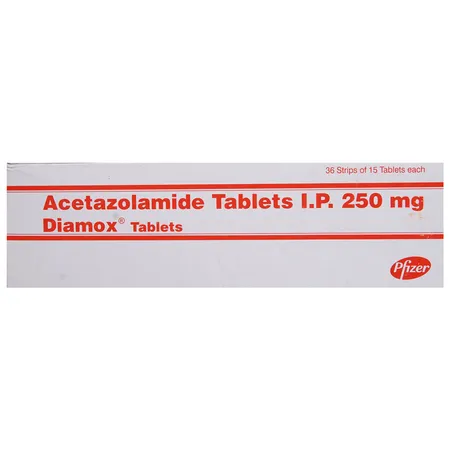
ACETAZOLAMIDE-250MG

Consume Type :

Oral

Expires on or after :

Jan-27

Return Policy :

Not Returnable

NPPA :

Regulated

About Diamox Tablet

Diamox Tablet is a prescription medication primarily used to lower fluid pressure in the eyes of people with glaucoma. It is also prescribed to prevent and treat altitude sickness, reduce fluid buildup caused by heart failure, and help manage certain types of seizures. By regulating fluid balance in the body, this medicine provides effective relief from pressure-related symptoms.

For the best results, you should take Diamox Tablet consistently at the same times every day as directed by your doctor. You can take this medicine with or without food, though taking it with a meal or a glass of milk can help prevent stomach upset. Staying well-hydrated and reducing your salt intake are common lifestyle changes that can support the effectiveness of this treatment.

While taking Diamox Tablet , you may experience mild side effects such as a tingling sensation in your fingers and toes, frequent urination, or a metallic taste in your mouth. Most of these symptoms are temporary, but you should contact your doctor immediately if you experience severe allergic reactions, serious skin rashes, or sudden breathing difficulties.

Do not take this if you have severe kidney or liver disease, untreated adrenal gland failure, or low levels of sodium or potassium in your blood. It is also unsafe for anyone with a known allergy to sulfonamide medications. Always talk to your doctor or pharmacist about your complete medical history before starting this treatment.

Some medicines, such as high-dose aspirin or lithium, can interact poorly with Diamox Tablet , potentially leading to severe side effects or reduced drug effectiveness. Avoid drinking alcohol while on this medication, as it can worsen drowsiness and dizziness. If you are pregnant, breastfeeding, or an older adult, you should consult your healthcare provider to discuss the specific risks and benefits for your situation.

Uses of Diamox Tablet

Diamox Tablet is used to manage conditions related to fluid balance, eye pressure, and abnormal nerve activity. It works by helping regulate fluid levels in the body and reducing pressure or overactivity in affected tissues.

  • Glaucoma: Diamox Tablet helps reduce fluid pressure inside the eyes, protecting the optic nerve from damage.
  • Altitude Sickness: Helps reduce symptoms such as headache, dizziness, and fatigue by helping the body adjust to high altitudes.
  • Fluid Retention (Edema): Helps remove excess water and salt from the body, reducing swelling associated with conditions like congestive heart failure.
  • Seizures (Epilepsy): When used with other medicines, it helps control abnormal brain activity and manage certain types of seizures.

Key Benefits

Diamox Tablet helps manage symptoms associated with increased fluid pressure, fluid buildup, and abnormal nerve activity, improving overall comfort and quality of life. 

  • Protects Vision: Helps lower pressure inside the eyes, reducing the risk of optic nerve damage and supporting long-term eye health.
  • Eases Altitude Sickness Symptoms: Helps the body adjust to high altitudes, reducing discomfort caused by symptoms such as headache, dizziness, and fatigue.
  • Reduces Fluid Buildup: Helps remove excess fluid from the body, reducing swelling and improving comfort in conditions associated with fluid retention.
  • Supports Seizure Management: When used with other medicines, it helps control abnormal brain activity and may reduce the occurrence of certain seizures.
Side effects of Diamox Tablet
  • Change positions or take a break from activity to relieve symptoms.
  • Avoid postures that put a lot of pressure on just one area of the body.
  • If you have vitamin deficiency, take supplements or change your diet.
  • Exercise regularly like cycling, walking or swimming.
  • Avoid sitting with your legs crossed.
  • Clench and unclench your fists and wiggle your toes.
  • Massage the affected area.
Dealing with Medication-Induced Headache:
  • Hydrate your body: Drink enough water to prevent dehydration and headaches.
  • Calm Your Mind: Deep breathing and meditation can help you relax and relieve stress.
  • Rest and Recharge: Sleep for 7-8 hours to reduce headache triggers.
  • Take rest: lie down in a quiet, dark environment.
  • Cold or warm compresses can help reduce tension.
  • Stay Upright: Maintain good posture to keep symptoms from getting worse.
  • To treat headaches naturally, try acupuncture or massage therapy.
  • Over-the-counter pain relievers include acetaminophen and ibuprofen.
  • Prescription Assistance: Speak with your doctor about more substantial drug alternatives.
  • Severe Headaches: Seek emergency medical assistance for sudden, severe headaches.
  • Frequent Headaches: If you get reoccurring headaches, consult your doctor.
  • Headaches with Symptoms: Seek medical attention if your headaches include fever, disorientation, or weakness.
  • Rest well; get enough sleep.
  • Eat a balanced diet and drink enough water.
  • Manage stress with yoga and meditation.
  • Limit alcohol and caffeine.
  • Physical activities like walking or jogging might help boost energy and make you feel less tired.
Here's a comprehensive approach to managing medication-triggered fever:
  • Inform your doctor immediately if you experience a fever after starting a new medication.
  • Your doctor may adjust your medication regimen or dosage as needed to minimize fever symptoms.
  • Monitor your body temperature to monitor fever progression.
  • Drink plenty of fluids, such as water or electrolyte-rich beverages, to help your body regulate temperature.
  • Get plenty of rest and engage in relaxation techniques, such as deep breathing or meditation, to help manage fever symptoms.
  • Under the guidance of your doctor, consider taking medication, such as acetaminophen or ibuprofen, to help reduce fever.
  • If your fever is extremely high (over 103°F), or if you experience severe symptoms such as confusion, seizures, or difficulty breathing, seek immediate medical attention.
Managing Medication-Triggered Flushing (Reddening of the skin): A Step-by-Step Guide:
  • Consult your doctor if you experience skin redness, itching, or irritation after taking medication.
  • Your doctor may adjust your treatment plan by changing your medication or providing guidance on managing your erythema symptoms.
  • Your doctor may recommend or prescribe certain medications to help alleviate symptoms.
  • Apply cool compresses or calamine lotion to the affected skin area to reduce redness and itching.
  • Stay hydrated by drinking plenty of water to help alleviate symptoms and keep your skin hydrated.
  • Monitor your skin condition closely and promptly report any changes, worsening symptoms, or concerns to your healthcare provider.
  • Take a balanced diet rich in protein, vitamins, and minerals.
  • Increase calorie intake if necessary, especially for children with poor appetite.
  • Engage in regular moderate-intensity exercise.
  • Promote healthy movement patterns in children.
  • Ensure adequate sleep duration by establishing a consistent sleep schedule.
  • Practice relaxation techniques like deep breathing or meditation.
  • Limit caffeine, alcohol and tobacco intake.
  • If you experience or encounter any severe allergic reaction, stop using medication and consult the doctor right away.
  • Tell your doctor about the allergic reaction, including the medication taken and any symptoms experienced.
  • Your doctor will evaluate the severity of the reaction and determine the best course of action.
  • To ensure a full recovery, follow your doctor's advice, attend scheduled follow-up appointments, and undergo recommended tests to monitor progress and adjust treatment as needed.

Directions for Use

  • Diamox Tablet can be taken with or without food. However, taking it with food may help prevent stomach upset.
  • It is usually taken 2-3 times daily or as advised by your doctor.
  • Swallow Diamox Tablet as a whole with a glass of water.
  • Do not crush, chew, or break it.

How Diamox Tablet Works

Diamox Tablet contains acetazolamide it works by blocking an enzyme called carbonic anhydrase, which helps regulate fluid and acid-base balance in the body. By reducing the activity of this enzyme, it changes how the body manages fluids in different areas. In the eyes, Diamox Tablet reduces the production of aqueous humour (the fluid inside the eye), helping lower eye pressure. In the kidneys, it increases the removal of excess water and salts, producing a mild diuretic effect. For altitude sickness, it helps the kidneys remove bicarbonate, making the blood slightly more acidic, which encourages faster breathing and improves oxygen adaptation at high altitudes.
bannner image

Alcohol

Caution

Avoid or limit alcohol consumption, as it might lead to increased drowsiness.

bannner image

Pregnancy

Unsafe

Diamox Tablet belongs to pregnancy category C. Avoid using Diamox Tablet if you are pregnant, think you are pregnant or are planning for pregnancy. Please consult your doctor if you have any concerns regarding this.

bannner image

Breast Feeding

Caution

Consult your doctor if you are breastfeeding; your doctor will decide if Diamox Tablet can be taken by breastfeeding mothers or not.

bannner image

Driving

Caution

Diamox Tablet might cause dizziness and drowsiness. Drive or operate machinery only if you are alert.

bannner image

Liver

Caution

Dose adjustment may be needed. Avoid taking Diamox Tablet if you have severe liver problems. Please consult your doctor if you have any concerns regarding the usage of Diamox Tablet in patients with liver impairment.

bannner image

Kidney

Caution

Dose adjustment may be needed. Avoid taking Diamox Tablet if you have/had severe kidney problems. Please consult your doctor if you have any concerns regarding the usage of Diamox Tablet in patients with kidney impairment.

bannner image

Children

Unsafe

Diamox Tablet is not recommended for children, as its safety and effectiveness have not been established.

bannner image

Heart

Caution

Diamox Tablet should be taken with caution in patients with heart problems. Therefore, please inform your doctor before using Diamox Tablet .

bannner image

Geriatrics

Caution

Diamox Tablet should be given with caution in elderly patients due to an increased risk of side effects. Talk to your doctor if you have any concerns.

What if I have taken an overdose of Diamox Tablet

If you or someone else takes more than the recommended dose of this medicine, seek immediate medical attention. Symptoms of an overdose may include severe dizziness, tingling, confusion, and loss of coordination.

Diet & Lifestyle Advise

  • Stay Hydrated: Drink plenty of water throughout the day. Staying well-hydrated helps reduce the risk of developing kidney stones, which can occasionally occur with this medication.
  • Incorporate Potassium-Rich Foods: Since this medicine can cause your body to lose potassium, try to eat foods high in potassium, such as bananas, spinach, sweet potatoes, and oranges, unless your doctor advises otherwise.
  • Limit Carbonated Drinks: You may find that sodas and other fizzy drinks taste flat or metallic while taking this medicine. Avoiding them will prevent this unpleasant taste experience.
  • Protect Your Skin: This medication can make your skin more sensitive to sunlight. Wear protective clothing, a wide-brimmed hat, and apply a broad-spectrum sunscreen when spending time outdoors.
health query

Have a query?

How Soon It Starts Working

  • The time required for Diamox Tablet to start to work: Diamox Tablet starts to show its action within 2 to 4 hours of administration.
  • The time for which the effects of Diamox Tablet last: Diamox Tablet effect lasts for 8 to 12 hours.

What if you forget to take Diamox Tablet

If you miss a dose, take it as soon as you remember. However, if it is almost time for your next scheduled dose, skip the missed dose and resume your regular schedule. Do not take a double dose to make up for a missed one.

Storage

• Store Diamox Tablet at room temperature, ideally between 15°C and 30°C (59°F to 86°F).• Keep the bottle tightly closed and store it in a cool, dry place away from moisture and humidity.

Drug Warnings

  • Check for Drowsiness: Do not drive, operate heavy machinery, or perform dangerous tasks until you know how this medicine affects your alertness.
  • Inform Your Healthcare Team: Tell any surgeon, dentist, or specialist treating you that you are taking this medication, as it may interact with anesthetics or other procedures.
  • Monitor Blood Sugar: If you have diabetes, keep a close eye on your blood sugar levels, as this medicine can occasionally cause blood sugar fluctuations.
  • Avoid Sudden Stoppage: If you are taking this medication to control seizures, do not stop taking it suddenly. Stopping abruptly can cause your seizures to return or worsen.
  • Watch for Rash: Sulfonamide-related medications can cause severe skin reactions. Stop taking the medicine and contact your doctor immediately at the first sign of any skin rash.

Drug-Drug Interactions

verifiedApollotooltip

Inform your doctor about all medicines and supplements before starting Diamox Tablet .

  • Aspirin: High doses of aspirin combined with this medicine can increase the risk of severe side effects, including confusion, rapid breathing, and toxicity.
  • Lithium: This medication can increase the rate at which your body removes lithium, potentially reducing its effectiveness in treating mental health conditions.
  • Diabetes Medications: It may alter blood glucose levels or reduce the effectiveness of oral diabetes drugs, requiring closer monitoring of your blood sugar.
  • Sodium Bicarbonate: Taking sodium bicarbonate or other urine alkalinizers can increase the risk of developing kidney stones.

Drug-Drug Interactions

Login/Sign Up

How does the drug interact with Diamox Tablet:
Co-administration of Cisapride with Diamox Tablet can increase the risk of an irregular heart rhythm that may be serious.

How to manage the interaction:
Taking Diamox Tablet with Cisapride lead to an interaction, please consult a doctor before taking it. Consult a doctor immediately if you experience any symptoms such as dizziness, lightheadedness, fainting, or fast or pounding heartbeats. Do not discontinue the medications without consulting a doctor.
How does the drug interact with Diamox Tablet:
Co-administration of Metformin with Diamox Tablet may increase the risk of Lactic acidosis (excessive lactic acid production in the blood).

How to manage the interaction:
Although there is a possible interaction between Metformin with Diamox Tablet, you can take these medicines together if prescribed by a doctor. However, if you have symptoms such as weakness, muscle pain, chest pain contact a doctor immediately. Do not discontinue any medications without consulting a doctor.
How does the drug interact with Diamox Tablet:
Co-administration of Diamox Tablet with Ziprasidone may increase the risk of irregular heart rhythm.

How to manage the interaction:
Although there is an interaction between Diamox Tablet and Ziprasidone, they can be taken together if prescribed by a doctor. If you develop sudden dizziness, lightheadedness, fainting, contact a doctor immediately. Do not discontinue any medication without talking to a doctor.
How does the drug interact with Diamox Tablet:
Co-administration of Salicylic acid with Diamox Tablet can increase the risk of adverse effects.

How to manage the interaction:
Taking Diamox Tablet with Sodium salicylate together can possibly result in an interaction, but it can be taken if a doctor has advised it. If you have any of these symptoms, like ringing in your ears, headache, feeling sick, throwing up, feeling dizzy, confused, seeing things that aren't there, breathing fast, having a fever, or having a seizure, make sure to call a doctor right away. Do not stop using any medications without talking to a doctor.
AcetazolamideDofetilide
Severe
How does the drug interact with Diamox Tablet:
Co-administration of Diamox Tablet with Dofetilide may increase the risk of irregular heart rhythm.

How to manage the interaction:
Although there is a possible interaction between Diamox Tablet and Dofetilide, you can take these medicines together if prescribed by a doctor. If you develop sudden dizziness, lightheadedness, fainting, or fast or pounding heartbeats during treatment with dofetilide, contact a doctor immediately. Also, inform a doctor if you experience signs of electrolyte disturbance such as weakness, tiredness, drowsiness, confusion, muscle pain, cramps, nausea, or vomiting. Do not discontinue the medication without consulting a doctor.
How does the drug interact with Diamox Tablet:
Co-administration of Diamox Tablet with Zonisamide may increase the risk or severity of metabolic acidosis (elevated levels of acid in the blood) and kidney stones.

How to manage the interaction:
Although there is a possible interaction between Diamox Tablet and Zonisamide, you can take these medicines together if prescribed by your doctor. If you experience symptoms such as fever, sudden back pain, abdominal pain, blood in the urine, tiredness, loss of appetite, irregular heartbeat, decreased sweating, trouble thinking clearly, and rapid breathing, contact a doctor immediately. Do not discontinue any medications without consulting a doctor.
How does the drug interact with Diamox Tablet:
Coadministration of Aspirin with Diamox Tablet may cause side effects.

How to manage the interaction:
Although there is a possible interaction between aspirin and Diamox Tablet, you can take these medicines together if prescribed by a doctor. However, if you experience symptoms such as ringing in your ears, headache, nausea, vomiting, dizziness, confusion, hallucinations, or rapid breathing, fever, and seizure, please contact a doctor. Do not stop using any medications without talking to a doctor.
AcetazolamideDroperidol
Severe
How does the drug interact with Diamox Tablet:
Co-administration of Droperidol can enhance the effects of Diamox Tablet can increase the risk of an irregular heart rhythm that may be serious.

How to manage the interaction:
Although there is a possible interaction between Diamox Tablet and Droperidol, you can take these medicines together if prescribed by a doctor. If you have any of these symptoms, it's important to contact a doctor right away: dizziness or lightheadedness, fainting, difficulty breathing, heart palpitations, weakness, feeling sleepy or confused, muscle pain, or feeling nauseous or vomiting. Do not stop using any medications without talking to a doctor.
AcetazolamideMethenamine
Severe
How does the drug interact with Diamox Tablet:
Co-administration of Diamox Tablet may reduce the effectiveness of Methenamine.

How to manage the interaction:
Although there is a possible interaction between Diamox Tablet and Methenamine, you can take these medicines together if prescribed by a doctor. However, frequent urine pH testing may be recommended. Do not discontinue the medication without consulting a doctor.
How does the drug interact with Diamox Tablet:
Coadministration of amiodarone with Diamox Tablet may raise the risk of an abnormal heart rhythm.

How to manage the interaction:
Even though Amiodarone and Diamox Tablet interact, they can be used if prescribed by a doctor. If you have heart issues or electrolyte imbalances, you may be at higher risk. If you experience sudden dizziness, lightheadedness, fainting, shortness of breath, weakness, drowsiness, confusion, muscle pain, nausea, vomiting, or rapid heartbeat, get medical attention. Do not discontinue any medications without consulting a doctor.

Drug-Food Interactions

verifiedApollotooltip

No clinically significant food interactions are known with Diamox Tablet when used as directed.


No Drug - Food interactions found in our database. Some may be unknown. Consult your doctor for what to avoid during medication.

Drug-Food Interactions

Login/Sign Up

Habit Forming

No

Therapeutic Class

[ANTIGLAUCOMA AGENTS, DIURETIC]

FAQs

Diamox Tablet is used to treat glaucoma (increased eye pressure), oedema (fluid retention), and epilepsy (seizures/fits). It is also used to reduce the severity and duration of altitude/mountain sickness symptoms.
Diamox Tablet is used as an adjunct in the treatment of epilepsy. It inhibits the carbonic anhydrase enzyme; this helps retard abnormal, excessive discharge from central nervous system neurons, thereby helping treat seizures.
Diamox Tablet promotes diuresis of abnormal fluid retention due to congestive heart failure. Fluid retention or oedema is the accumulation of fluid in the body tissues.
Diamox Tablet helps reduce the severity and duration of symptoms of altitude/mountain sickness, such as headache, stomach upset, dizziness, drowsiness, fatigue, and shortness of breath.
To treat your condition effectually, continue taking Diamox Tablet for as long as your doctor has prescribed it. Do not be reluctant to speak with your doctor if you experience any difficulty while taking Diamox Tablet .
Diamox Tablet might make your skin sensitive to sunlight. Avoid unnecessary and prolonged exposure to sunlight or tanning beds. Wear protective clothing, sunscreen and sunglasses whilst going out.
Diamox Tablet inhibits carbonic anhydrase enzyme. This inhibitory action decreases the secretion of aqueous humour, thereby lowering intraocular pressure and helping treat glaucoma.
Yes, you can take Diamox Tablet after cataract surgery if it is prescribed by your eye doctor. Diamox Tablet is sometimes used prophylactically to prevent increased intraocular pressure (IOP) after cataract surgery. So, if your doctor recommends it, it's safe to use as directed.
The common side effects of Diamox Tablet include nausea, vomiting, diarrhoea, headache, and increased urination. Most of these side effects are mild and temporary, and they often resolve on their own without requiring medical attention. However, if the side effects persist or worsen over time, it's important to consult your doctor.
Diamox Tablet works by inhibiting the carbonic anhydrase enzyme, which has several effects on the body. It decreases aqueous humor secretion, lowers intraocular pressure, and treats glaucoma. It also reduces abnormal neuron discharge in the central nervous system, helping treat epilepsy. Additionally, it decreases fluid retention by reducing carbonic anhydrase activity, making it effective in treating oedema.
Certain individuals may not take Diamox Tablet , including those with end-stage kidney or liver problems, eye conditions, electrolyte imbalances, and allergies to any components present in Diamox Tablet . Additionally, if you're pregnant, breastfeeding, or planning pregnancy, it's essential to discuss your options with your doctor. They will help you make an informed decision and ensure your safety. Before starting Diamox Tablet , sharing your medical history with your doctor is crucial to ensure it's safe for you.
Diamox Tablet is effective when used as directed by your doctor. It is used to treat glaucoma, fluid retention (oedema), epilepsy (seizures), and mountain sickness. While it's effective, you may experience common side effects like nausea, vomiting, diarrhoea, headache, and increased urination. Most of these side effects are mild and temporary, but if they persist or worsen, be sure to talk to your doctor.
Take the missed dose as soon as you remember unless it is almost time for your next dose. In this case, skip the missed dose and take your next dose at the regular time. Never take a double dose to make up for a missed one.
It is highly recommended to avoid alcohol while taking this medicine. Alcohol can increase the risk of dizziness, lightheadedness, and severe drowsiness, which are already potential side effects of this medication. Talk to your doctor if you have concerns about alcohol use.
This medication blocks an enzyme called carbonic anhydrase, which is present in your taste buds. This enzyme normally helps you taste the carbon dioxide (fizz) in beverages. When it is blocked, sodas, beer, and other carbonated drinks can taste flat, metallic, or unpleasant. This is a harmless side effect that will go away once you stop taking the medicine.
Yes, because this medication acts as a mild diuretic, it increases the amount of urine your body produces. If you do not drink enough fluids to replace what you lose, you can become dehydrated. Watch for signs like extreme thirst, dry mouth, or dark-colored urine, and make sure to drink plenty of water.
This medicine is generally not recommended during pregnancy, especially during the first trimester, unless the benefits clearly outweigh the risks. If you are pregnant, planning to become pregnant, or breastfeeding, talk to your doctor or pharmacist to discuss safer alternative treatments.
You should avoid taking high-dose aspirin with this medication. Doing so can cause a severe interaction, leading to extremely high levels of the medicine in your blood, which can cause confusion, rapid breathing, and other serious side effects. However, low-dose aspirin for heart protection may be safe under a doctor's close supervision. Talk to your doctor before combining these medications.
This medicine is not a weight loss drug. While you might experience minor weight loss due to your body flushing out excess water weight or a temporary loss of appetite, you should not use it for this purpose. If you experience sudden or severe weight loss, talk to your doctor.
Tingling or a "pins and needles" sensation (paresthesia) is a very common and usually harmless side effect of this medication. It occurs because of changes in your body's acid and electrolyte levels. It often improves over time or if your dose is adjusted. If the tingling becomes painful or interferes with your daily activities, talk to your doctor.

Disclaimer

While we strive to provide complete, accurate, and expert-reviewed content on our 'Platform', we make no warranties or representations and disclaim all responsibility and liability for the completeness, accuracy, or reliability of the aforementioned content. The content on our platform is for informative purposes only, and may not cover all clinical/non-clinical aspects. Reliance on any information and subsequent action or inaction is solely at the user's risk, and we do not assume any responsibility for the same. The content on the Platform should not be considered or used as a substitute for professional and qualified medical advice. Please consult your doctor for any query pertaining to medicines, tests and/or diseases, as we support, and do not replace the doctor-patient relationship.

Country of origin

INDIA

Manufacturer/Marketer address

The Capital, 1802 / 1901, Plot No. C-70, G-Block,Bandra Kurla Complex, Bandra (East),Mumbai,Maharashtra,INDIA,400051.
Other Info - DIA0015
whatsapp Floating Button

Recommended for a 30-day course: 2 Strips

Buy Now
Add 2 Strips