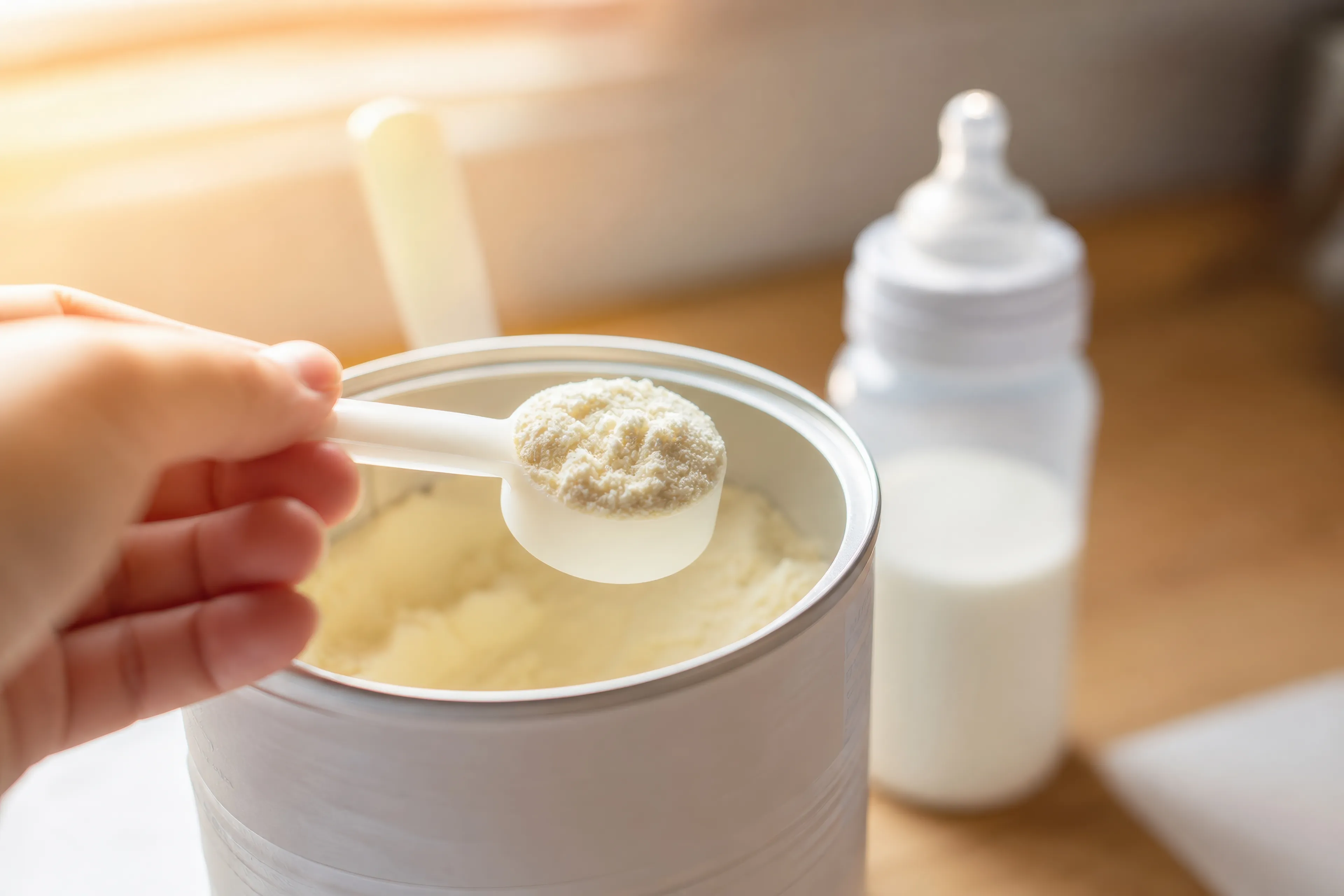
Milk Powder for Infant Nutrition: Safety and Composition
Learn about milk powder for infant nutrition, including composition, nutritional requirements, safety considerations, age suitability, preparation, and feeding guidance.
Dr.Mayank
Choosing the right nutrition for an infant is a fundamental decision for every parent. While exclusive breastfeeding is universally recommended for the first six months of life, situations arise where breast milk is unavailable, insufficient, or clinically contraindicated. In these instances, commercially prepared milk powder formulated specifically for infants provides a safe, nutritionally complete alternative. Understanding how these specialised products are composed, how they differ from standard dairy, and how to handle them safely is essential for supporting your baby's growth and health.
Parenting involves many practical responsibilities. Alongside daily routines like managing newborn care essentials beyond feeding, learning safe feeding practices and nutritional basics forms the cornerstone of early pediatric care.
What Is Milk Powder and How Is It Used for Infants
Regular dried milk powder is produced by evaporating liquid dairy milk until it becomes a dry powder. While useful for cooking and shelf-stable adult consumption, ordinary milk powder is never safe as a primary feeding source for an infant.
Infants require specialised infant milk powder, commonly called infant formula. Unlike regular dried milk, infant formula is an extensively modified nutritional product designed to closely match the nutrient profile and digestibility of human breast milk. Unmodified animal milk contains excessive protein and mineral concentrations that stress an infant's immature kidneys and digestive system.
In specialised baby formula milk powder, manufacturers carefully adjust protein ratios, substitute animal fats with specific vegetable oil blends to provide essential fatty acids, and add vital micronutrients like iron, zinc, and vitamins.
A pediatrician must always be consulted before introducing any milk powder for babies. Feeding decisions should be based on medical evaluation of your baby's age, weight, digestive tolerance, and family history of allergies.
Types of Milk Powder: Cow, Goat, Soy and Formula-Based
Different infant needs require distinct nutritional formulations. Understanding the primary types of infant milk powder helps parents navigate recommendations from their pediatrician.
Formula Type
Primary Protein Source
Key Characteristics
Common Clinical Use
Standard Cow Milk-Based
Modified bovine whey and casein
Adjusted whey-to-casein ratio (typically 60:40)
Healthy, full-term infants without dairy sensitivities
Hydrolysed Formula
Broken-down cow milk proteins
Partially or extensively broken into small peptides
Infants with digestion issues or high allergy risk
Soy-Based Formula
Soy protein isolate
Lactose-free, enriched with L-methionine
Galactosemia, lactase deficiency, or vegan needs
Goat Milk-Based
Modified caprine milk proteins
Forms a softer curd in the infant stomach
Alternative for mild digestion issues; not for CMPA
Amino Acid-Based
Free synthetic amino acids
Completely non-allergenic elemental base
Severe cow milk protein allergy or multiple allergies
Cow Milk-Based Formulas
Most infant formulas use modified cow milk. Standard bovine milk contains a whey-to-casein ratio of roughly 20:80, which is difficult for an infant's digestive system to process. Formula makers adjust this ratio to approximately 60:40 to mirror human milk and demineralise the whey to protect kidney function.
When evaluating cow milk vs formula for infants, whole, unmodified cow milk lacks necessary iron, vitamin E, and essential fatty acids, while delivering excess sodium and protein. For this reason, the choice between cow milk vs formula for infants under 12 months always favors specialised infant formula over standard liquid or powdered cow milk.
Goat Milk Formulas
Goat milk formulas have become popular because they form a softer curd in the stomach, which some babies digest more easily. However, raw or unmodified goat milk is severely deficient in folate and vitamin B12. Only commercially manufactured goat infant formulas fortified to meet regulatory infant standards are safe. Goat milk formulas are not suitable for infants with diagnosed cow milk protein allergy (CMPA) due to high protein cross-reactivity.
Soy and Specialised Formulas
Soy-based infant formula uses purified soy protein isolate enriched with L-methionine, vitamins, and minerals. It serves as an option for infants with galactosemia or hereditary lactase deficiency. It is not routinely recommended for preterm infants. For infants with confirmed dairy allergies, pediatricians usually prescribe extensively hydrolysed or amino acid-based formulas rather than soy, since many babies with dairy allergies also react to soy protein.
Nutritional Composition and What Infants Need
Infants grow rapidly during their first year and require balanced macro- and micronutrients. The World Health Organization (WHO) and pediatric authorities recommend exclusive breastfeeding for the first six months because human breast milk provides ideal bioavailability, immune factors, and tailored nutrition.
When breast milk is unavailable, infant milk powder must supply:
Proteins: Formulations balance whey and casein to support tissue development without overloading the kidneys.
Carbohydrates: Lactose is the primary energy source in standard formulas and promotes beneficial gut bacteria. Lactose-free formulas replace it with glucose polymers or maltodextrin.
Healthy Fats: Long-chain polyunsaturated fatty acids, such as Docosahexaenoic Acid (DHA) and Arachidonic Acid (ARA), are added via plant and algal oils to support brain and eye development.
Iron: Full-term infants deplete their innate iron reserves between 4 and 6 months. Fortified infant formula prevents iron deficiency anemia and supports neurological growth.
Vitamins and Minerals: Essential additions include vitamins A, C, D, K, and B-complex, along with calcium, phosphorus, and zinc in balanced ratios.
Safety Considerations and Contraindications
Infant milk powder is safe only when chosen correctly and prepared with strict hygiene. Certain infants should not use standard formulations:
Infants with diagnosed cow milk protein allergy (CMPA) should avoid standard cow and goat milk formulas. They require extensively hydrolysed or amino acid-based formulas prescribed by a doctor.
Infants with galactosemia cannot process galactose and require strict lactose-free, soy-based, or specialised elemental formulas.
Babies under six months must never receive regular commercial table milk powder, condensed milk, or whole animal milk.
Preterm or low-birth-weight infants often require specialised post-discharge formulas with higher caloric density and adjusted mineral levels under neonatologist supervision.
Powdered infant formulas are not sterile products. Improper dilution or unhygienic preparation can expose vulnerable infants to bacterial pathogens like Cronobacter sakazakii or Salmonella, which can cause severe gastrointestinal or systemic infections.
How to Prepare and Store Milk Powder Safely
Knowing how to prepare milk powder for baby feeds correctly prevents infections and ensures proper nutrient concentration. Follow these practical steps:
Wash your hands thoroughly with soap and warm water before handling feeding equipment.
Clean and sterilise all bottles, teats, rings, and caps by boiling them in water for 5 minutes or using an approved steam steriliser.
Boil fresh drinking water and let it cool for no more than 30 minutes, so it stays at or above 70 degrees Celsius to kill potential bacteria in the powder.
Pour the exact amount of hot water into the sterilised bottle first.
Add the exact number of level scoops of powder specified on the manufacturer tin using the provided scoop. Do not pack the powder down or add extra scoops.
Cap the bottle and shake thoroughly until all powder is completely dissolved.
Cool the prepared milk rapidly to feeding temperature by holding the bottle under cold running water.
Test the temperature by dropping a few drops onto the inside of your wrist; it should feel lukewarm, not hot.
Feed immediately. Discard any formula left in the bottle after two hours from the start of feeding.
Store the opened formula tin in a cool, dry place with the lid tightly closed. Use the contents within one month of opening; do not refrigerate dry powder.
When to Consult a Doctor?
Always consult your pediatrician before initiating, changing, or discontinuing any infant feeding product. Prompt medical guidance is necessary if your baby shows symptoms of feeding intolerance or an allergic reaction.
Contact your pediatrician immediately if your baby exhibits:
Persistent projectile vomiting or frequent, severe regurgitation
Chronic diarrhea, blood or mucus in the stool, or severe constipation
Widespread skin rash, hives, or worsening eczema
Unexplained poor weight gain or feeding refusal
Facial swelling, wheezing, or respiratory distress (seek immediate emergency care)
Prescribing Information Disclaimer: This article does not replace individualised medical advice or product-specific prescribing information. Always follow the specific preparation instructions and guidance provided by your pediatrician and the product packaging.
Report adverse events to your healthcare provider or the relevant regulatory authority.
Medical Review Note: This content has been reviewed for clinical accuracy in alignment with standard pediatric feeding and safety guidelines.
Conclusion
Milk powder products differ significantly in their composition, nutritional value, and suitability for infants. For babies who require formula feeding, an age-appropriate infant formula is designed to provide the nutrients needed during early growth, while ordinary milk powder may not meet an infant's nutritional requirements. Parents should carefully check the product's age suitability and preparation instructions and avoid using unsuitable milk products for young infants. Consulting a paediatrician can help parents choose an appropriate feeding option based on the baby's age, growth, nutritional needs, and health requirements.
FAQ
Is milk powder safe for newborns?
Standard commercial dairy milk powder is not safe for newborns, but specially formulated infant milk powder (infant formula) is safe when prepared hygienically under pediatric guidance.
What is the difference between milk powder and formula milk?
Regular milk powder is simply dried whole or skim dairy milk with excessive protein and minerals, whereas formula milk is modified, fortified, and balanced to match the nutritional needs of infants.
Can I give cow milk powder to a 1-year-old?
Yes, after 12 months of age, toddlers with no dairy allergies can transition to fortified full-fat cow milk or toddler milk powder as part of a diversified, balanced diet.
How long can prepared milk powder be stored?
Prepared infant formula must be used within two hours at room temperature, or stored in the refrigerator at 4 degrees Celsius or lower for a maximum of 24 hours.
What are signs of milk allergy in infants?
Common signs include hives or eczema, recurrent vomiting, loose stools containing blood or mucus, persistent abdominal colic, and poor weight gain.